
Sustainability on a working site comes down to how materials, water, waste, and equipment are handled every day. Contractors and facility managers need practices they can see, verify, and use when choosing a vendor. Managing sustainable resources on a working site means turning broad goals into specific choices about use, recovery, transport, and disposal.
What Sustainable Resource Management Means On a Job Site
Sustainable resource management on a job site means using, tracking, recovering, and disposing of materials in ways that can reduce unnecessary cost, waste, and environmental impact. The focus is operational: what enters the site, how it is used, where waste goes, and what can be recovered instead of discarded.
That can include separating construction debris, recycling scrap metal, managing wastewater, using controlled excavation methods, and choosing service capacity that fits the job. These practices put sustainable resources into routine site planning instead of leaving sustainability at the corporate-policy level. Fuzion’s broader Environmental, Social & Governance approach provides company-level context, but this page focuses on the field practices buyers can evaluate directly.
The Practices That Actually Move the Needle
Useful site practices need to be specific enough to plan, assign, and verify. For contractors and commercial buyers, the following actions turn sustainable resources into measurable jobsite decisions.
- Separate and track material streams. Fuzion supports source-separated waste through container logistics and hauling schedules, with guidance that helps contractors document and track material movement.
- Verify diversion and recycling claims. Verification should rest on records, not the claim alone; Fuzion’s diversion guidance identifies weigh tickets, signed receipts, and facility certificates as records that can substantiate reported results.
- Manage water and spills deliberately. Use defined processes for wastewater handling and spill response; Fuzion addresses both through its sanitation and hydrovac services.
- Recover recyclable metal. Keep eligible metal separate from general waste so it can enter a recycling stream; Fuzion provides dedicated scrap metal recycling services.
- Right-size dumpsters and service equipment. Fuzion offers multiple dumpster sizes, which can help customers match container capacity to the project and avoid overordering space.
- Match the service to the material. Fuzion publishes restrictions for standard roll-off dumpsters and offers other disposal services for materials that cannot go into those containers.
A vendor should be able to explain exactly how its sustainable resource management practices work on the site. Buyers should be able to ask what happens after pickup, which materials qualify for recovery, and what records are available when verification is required.
How This Shows Up Across Fuzion’s Service Lines
Fuzion applies different resource-management practices across its four service lines based on the material, equipment, and site need involved.
| Service Line | Sustainable Practice | Buyer Outcome |
|---|---|---|
| Dumpster Rentals | For projects using diversion, Fuzion provides guidance on documentation and tracking used to record material movement and reported results. | Buyers can identify the records that may be needed to document diversion for the project. |
| Portable Sanitation | Fuzion states that it recycles 100% of its portable sanitation wastewater and uses biodegradable products. | Buyers can evaluate sanitation service against a stated wastewater-management practice. |
| Hydrovac Services | Hydro excavation uses pressurized water and vacuum technology for controlled excavation, and Fuzion also uses hydrovac equipment for environmental spill cleanup. | Buyers can select a precise excavation method and access specialized cleanup capability when site conditions require it. |
| Scrap Metal Recycling | Fuzion picks up eligible scrap metal, hauls it for recycling, and issues a customer credit for collected material. | Recoverable metal is separated from general waste and routed back into recycling instead of being treated as ordinary debris. |
Fuzion has resource-management practices across all four service areas, but they are not all diversion-focused.
How This Relates to LEED, ESG, and Diversion Reporting
Sustainable waste management covers the day-to-day handling, recovery, transport, and disposal of materials. LEED applies project-specific requirements, while ESG reporting addresses broader organizational performance; managing sustainable resources at the site level can support both without replacing either framework.
LEED
Sustainable site practices can contribute to a project’s waste-management strategy, but LEED establishes specific requirements for planning, material streams, diversion, and documentation. Projects addressing construction-waste requirements can use Fuzion’s LEED construction and demolition waste management overview for additional project-planning context.
ESG
ESG reporting addresses an organization’s broader environmental, social, and governance performance. Fuzion’s waste management and ESG article explains that connection, while its ESG Community resource addresses the community side. Site-service records can also provide operational information for ESG reporting.
Diversion Reporting
Recycling is one way to keep eligible material in productive use, but diversion is broader and can include recycling, reuse, salvage, and other recovery pathways. Projects that need the underlying calculations, weigh-ticket practices, facility records, or reporting process should use Fuzion’s landfill diversion guide.
Request Site Services From Fuzion
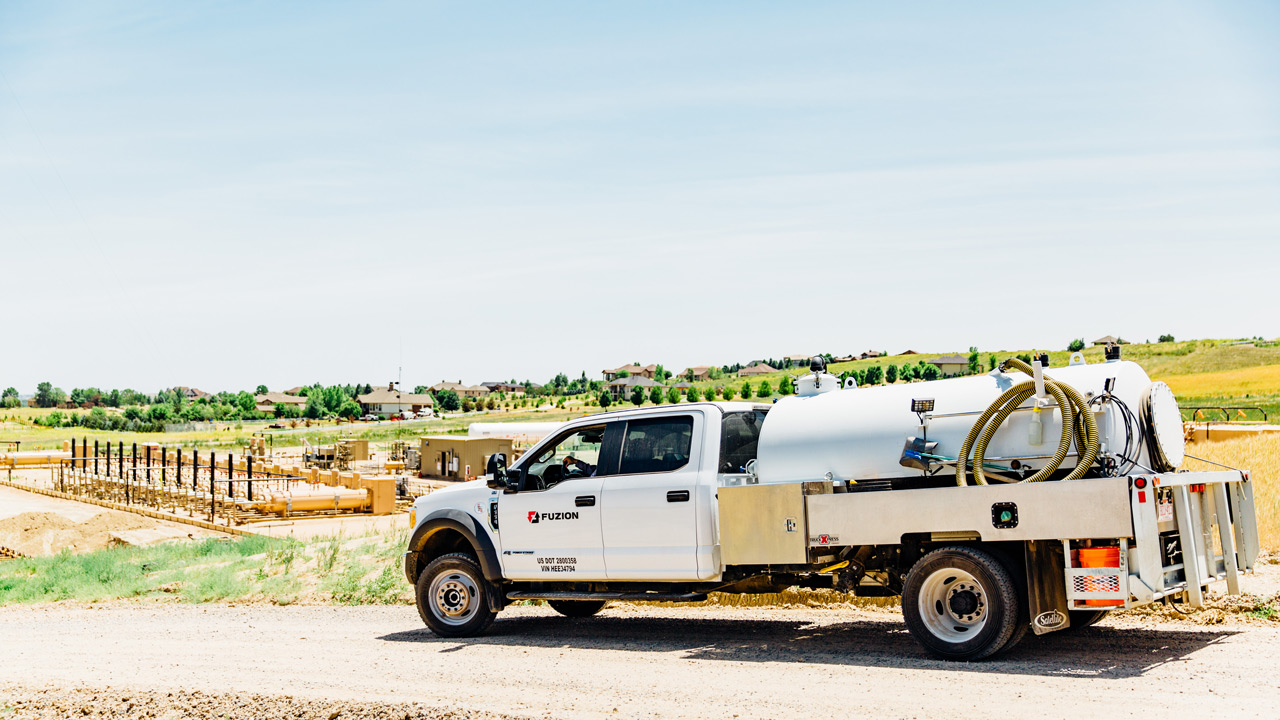
Fuzion can help you match dumpster, sanitation, hydrovac, and scrap-metal services to the requirements of your site. Use the service request form to discuss the service, equipment, or material-handling needs for your project.
Contact us today for more information.
FAQ
Buyers often need to verify what a site-services provider actually does before choosing a vendor.
What Should I Look for in a Sustainable Site Services Vendor?
Look for specific operating practices rather than broad environmental claims. A provider should be able to explain how sustainable resources such as water, recoverable materials, equipment capacity, and waste are handled for the service you need.
Is Dumpster or Waste Recycling From a Rental Company Verified, or Just Marketing Language?
A recycling or diversion claim is not verification by itself. Ask which materials are separated, where loads are delivered, and whether records such as weights, receipts, or other project documentation are available for the work being performed.
What’s the Difference Between Waste Diversion and Recycling?
Recycling is one method of recovering eligible material so it can be processed for another use. Diversion is broader because it can include recycling, reuse, salvage, and other recovery methods that keep material out of disposal.
How Is Sustainable Waste Management Different From LEED Compliance or ESG Reporting?
Sustainable waste management describes the operating practices used to handle, recover, transport, and dispose of material. LEED applies project-specific green-building requirements, while ESG reporting addresses broader organizational environmental, social, and governance performance.
Does Fuzion Offer Sustainable or Diversion-Focused Practices Across All of Its Service Lines?
Fuzion has resource-management practices across all four service lines covered here, but only some are diversion-focused. Dumpster diversion and tracking, portable sanitation wastewater recycling, hydrovac excavation or spill cleanup, and scrap-metal recycling address different parts of site operations.