
Landfill diversion is now a measurable line item in construction specifications and a central strategy in achieving zero-waste goals. Traditional disposal sends mixed debris straight to landfill, while diversion practices redirect usable material for recycling, reuse, or recovery. Field-verified handling links every load to measurable results.
What Defines Diversion in Construction Waste Management
On any project, diversion starts with a clear definition, how waste is classified, measured, and documented from the moment it leaves the jobsite.
How Diversion Is Calculated
Landfill diversion describes the percentage of total waste that avoids landfill disposal through reuse, recycling, or energy recovery. That percentage benchmarks responsible material management. On a jobsite, diversion involves three coordinated actions: separating materials at the source, transporting each stream to an approved facility, and documenting verified weights to confirm outcomes.
Why Diversion Benchmarks Matter
Landfill diversion rates directly influence compliance with local ordinances, EPA resource-management programs, and LEED MRc5 requirements. High diversion rates earn LEED credit and, in many regions, lower tipping fees.
Diversion Requirements in Construction Specifications
Many municipalities now write landfill-diversion targets directly into construction specifications. Public works bids often require a minimum 50% diversion rate, with monthly progress reports submitted to the building department or sustainability office. Contractors document performance through weigh-ticket summaries and facility certificates, records that become part of the close-out package just like inspection reports or safety logs.
How Diversion from Landfill Is Measured
Accurate landfill diversion tracking depends on consistent data collection. Every load leaving the jobsite must be identified, weighed, and tracked in the same manner, no matter if it contains concrete, metal, wood, asphalt, or mixed debris.
Data Collection and Documentation
Field measurement depends on verifiable records rather than estimates. Each haul is tracked by weight, destination, and date, building an audit trail strong enough for LEED or municipal verification.
Typical records include:
- Weigh tickets issued by the receiving facility
- Photographs of loaded containers before departure
- Signed receipts confirming material type and tonnage
- Facility certificates verifying recycling or reuse
Together, these records confirm that the reported landfill-waste-diversion percentage is legitimate, not approximated.
Calculating Diversion Rates
The combined tonnage of reused or recycled materials is divided by total project waste to determine the waste diversion from landfill percentage.
Example:
A project generating 200 tons of debris recycles or reuses 150 tons.
150 ÷ 200 = 0.75, or a 75 % diversion rate.
Facilities often reject loads with contamination above 5%, since mixed debris lowers material value or can violate operating permits. Maintaining clean separation on-site ensures that reported results reflect genuine material recovery.
Maintaining Consistency in Reporting
Crews and administrators need to use the same terms and reporting steps so diversion records stay consistent. “Recycling,” “reuse,” and “recovery” are all valid categories, but some regions exclude energy conversion or incineration from diversion totals. Field managers should always confirm acceptable categories with local and LEED definitions before claiming credit.
Clear language and accurate documentation keep reports consistent across subcontractors and projects, ensuring diversion rates stand up under any level of regulatory or third-party review.
Waste-Diversion Innovations
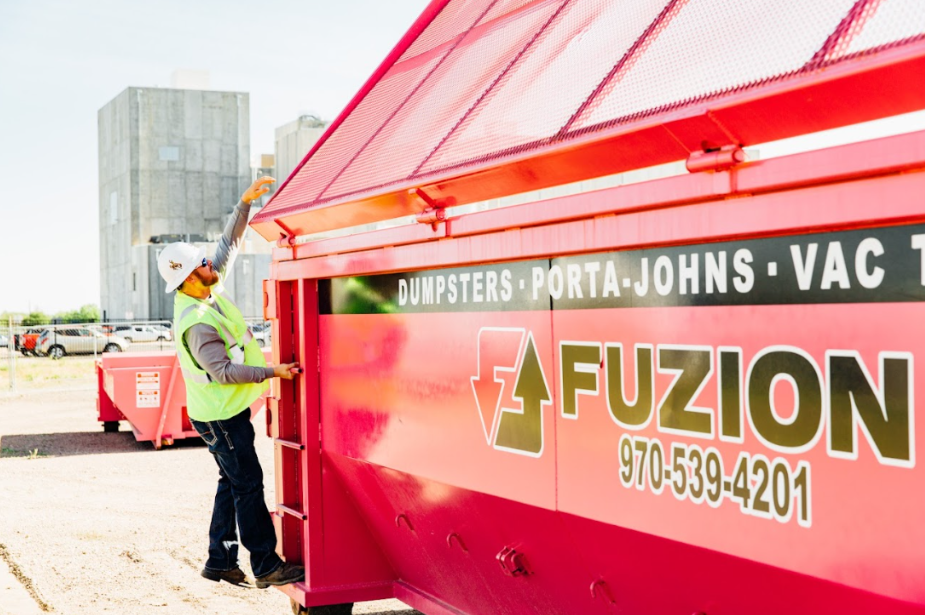
New, field-tested landfill diversion innovations make diversion faster, cleaner, and verifiable. Modern systems integrate mechanical separation, digital documentation, and smart logistics to make diversion measurable at scale.
Optical and Robotic Sorting
Some material-recovery facilities now deploy optical scanners and robotic arms to distinguish recyclables by color, density, or shape. These systems reduce contamination and increase throughput, allowing more construction debris to be recovered instead of buried. Contractors benefit from consistent bale quality and lower rejection rates at the plant. Studies show optical sorting boosts recovery by 10–15%.
Smart Weighing and RFID Tracking
Portable scales and RFID-tagged roll-offs record load weights automatically. Each container transmits data to a centralized dashboard, giving field managers a live snapshot of diversion progress. Automated logs replace manual spreadsheets, minimizing errors and strengthening the audit trail required for verified diversion from landfill. By linking tags to truck routes, haulers can reduce empty-trip mileage and lower fuel use, turning operational accuracy into measurable environmental gains.
Digital Reporting Platforms
Cloud-based reporting systems link ticket uploads, photos, and signatures in one record set. When LEED documentation is due, administrators can export diversion summaries showing weight totals and percentages by material stream. The combination of smart hardware and digital software turns each collection into verifiable evidence and cuts report-prep time.
Implementing Diversion in Daily Operations
Successful landfill diversion depends on planning, separation, and documentation aligned from first load to final report. Crews, drivers, and inspectors each play a specific role in keeping materials organized and verifiable.
Source Separation on the Jobsite
Effective diversion begins where waste is generated. Crews separate construction debris at the point of generation to prevent contamination and keep each material stream clean for processing. Clearly labeled roll-offs near each work zone reduce handling time and keep recyclables clean. These early steps set the foundation for accurate diversion data.
Transport and Facility Coordination
Once containers are full, drivers move each load to its designated processing center, aggregates to crushers, metals to smelters, wood to biomass plants. The key is maintaining sequence and accuracy from pickup to delivery.
To keep records aligned:
- Maintain a hauling log showing container number, weight, and destination.
- Verify each delivery with a facility receipt or weight ticket.
- Report discrepancies immediately.
Reliable coordination keeps facility data synchronized with jobsite records and ensures diversion totals remain accurate.
Documentation and Reporting
Inspectors capture field evidence at every stage. Each photographed load and ticket feed a final report listing total tons, diversion rate, and facility details.
This standardized format satisfies municipal and LEED MRc5 verification requirements while also building a long-term dataset for future tracking.
Crew Communication and Oversight
On large projects, coordination happens daily. The superintendent leads short logistics meetings with haulers and trade foremen to confirm container labeling, haul frequency, and site access. Reviewing these points as part of safety briefings keeps everyone aligned and reduces contamination incidents. That routine communication makes diversion tracking part of daily operations.
Third-Party Verification and Compliance
Many municipalities now require independent auditors to review diversion data before approval. Auditors inspect weight tickets and facility certificates, verify material classifications and calculations, and confirm that reporting formats meet local or LEED standards.
This verification step protects both contractors and clients from inflated figures and reinforces Fuzion’s standard for measurable, verifiable performance.
Benefits of Effective Diversion
Effective landfill diversion reduces cost and proves sustainability performance on every job.
- Each ton diverted from landfill lowers tipping fees and frees disposal capacity for materials that truly require burial.
- By recovering reusable material, contractors stabilize hauling schedules and reduce downtime waiting for empty containers.
Effective waste diversion also strengthens relationships with clients and municipalities.
- Documented results show accountability and keep records transparent—qualities increasingly written into public-sector bid requirements.
- When separation, transport, and documentation stay aligned, the benefits extend beyond the project boundary.
- Each verified percentage reflects organized on-site effort that keeps material out of landfill.
Beyond immediate savings, diversion lowers greenhouse-gas emissions by reducing decomposition of organic debris. According to EPA life-cycle analyses, higher diversion rates cut methane output and conserve energy otherwise used for manufacturing virgin materials. Over time, those avoided emissions help communities preserve landfill space and meet climate-action goals.
Achieve Higher Diversion Rates with Fuzion’s Sustainable Programs
Fuzion Field Services delivers landfill-diversion programs built on on-site separation, transport tracking, and digital documentation. Each collection stream is logged from jobsite to recovery facility to maintain traceability and LEED, EPA, and municipal compliance. Contact us today for more information.