
Waste removal is one of the first, and most underestimated, line items on any job. A dumpster budget defines how that debris will be handled and how much it will cost before demolition begins. Without clear planning, costs multiply through overweight loads, unpermitted placement, and last-minute extensions that strain both schedule and compliance.
Key Factors That Shape Your Dumpster Budget
Because every project variable influences cost, knowing how each factor interacts with time and materials is essential.
Container Size and Volume Capacity
Dumpster sizes are measured in cubic yards: 10-, 20-, and 30-yard roll-off containers (1 cubic yard ≈ 3 × 3 × 3 ft). Smaller units serve single-room remodels; larger bins handle full building tear-outs.
Across the industry, base pricing typically includes 1–2 tons for 10–15-yard containers, 2–3 tons for 20-yard units, and 3–5 tons for 30- to 40-yard units. Exact allowances vary by market and provider. Choosing the right size prevents paying for unused space or overweight penalties.
Material Type and Weight Limits
The heavier the waste, the faster disposal costs climb. Concrete, roofing, or saturated soil increase tipping-fee weight quickly. Mixed materials may require sorting or multiple hauls, adding per-ton surcharges. Planning by material class keeps the dumpster budget realistic and compliant with landfill or recycling restrictions common to most municipalities.
Rental Duration and Pickup Schedule
Industry-wide, base rates generally cover a short-term rental window, about 7 to 10 days in most markets, occasionally up to 14. Once that period ends, extensions are offered at market-rate daily or weekly pricing based on container size and local conditions. Coordinating the pickup schedule early prevents extra charges and avoids unnecessary downtime.
Delivery Distance and Fuel Surcharges
Hauling costs can vary with distance from the disposal facility. Some providers include fuel and transportation costs in a flat rental rate, while others apply separate surcharges. Accounting for these variables early in the project budget helps avoid mid-project surprises and keeps pricing consistent across locations.
Permit and Placement Fees
Many municipalities require a dumpster placement permit to position containers on public property. Permit costs often range from $25 to $200, with dense metros potentially higher. Some right-of-way permits also specify reflective cones or barricades for safety. Accounting for these items upfront prevents violations and ensures inspection readiness when debris removal is complete.
Paints, solvents, batteries, and appliances with refrigerant appear on most provider’s prohibited materials list and require separate handling under local and state rules to prevent contamination fines.
Building a Dumpster Plan for Projects of Any Scale
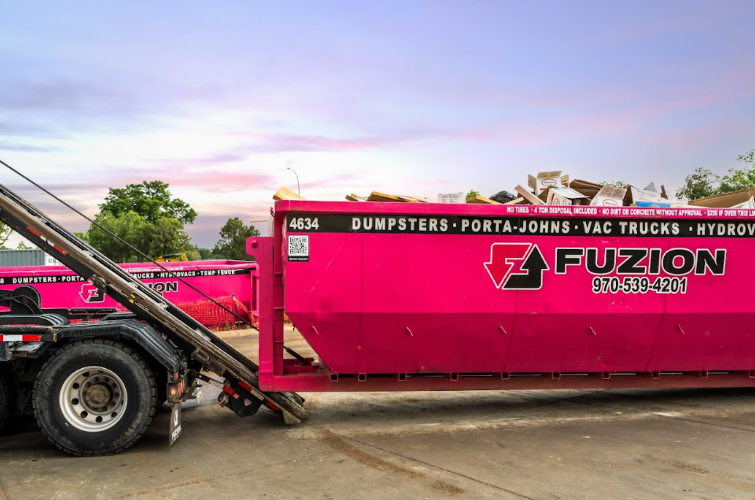
Each cost factor reflects how time and materials are allocated across project phases, so the next step is to organize those details into a structured dumpster plan.
Forecast Waste Volume by Phase
Estimate cubic yards per activity, demolition, framing, finish, and cleanup. A 20-yard container may suit demo debris, while a 10-yard bin handles trim and packaging waste. Combining forecasts by phase converts loose assumptions into a measurable dumpster budget for projects of any scale.
Coordinate Schedule and Container Turnover
Plan delivery and pickup intervals to match site progress. Staggering containers reduces downtime and prevents overfilled bins that violate transport limits. A documented dumpster plan also helps crews keep driveways and loading zones clear, reducing the risk of damaged pavement or blocked access.
Integrate with Permit and Compliance Schedules
Some cities issue temporary placement permits tied to specific dates. When those expire before removal, renewal fees apply. Aligning dumpster timelines with permit windows keeps costs valid and prevents fines, an important part of any controlled dumpster budget.
For contractors managing multiple properties, aligning rental windows and container mixes simplifies documentation and cost tracking across sites.
Creating a Realistic Dumpster Budget for Renovation Projects
Renovations produce a mix of materials, wood, drywall, flooring, and fixtures, each with different weights and disposal requirements. Estimating those variables early keeps labor, hauling, and disposal aligned from demolition to finish work.
Container Size and Typical Loads
Most home remodels use a 10- to 20-yard container, large enough for debris yet compact enough for a residential driveway. Fuzion offers several roll-off sizes:
- 10-yard: small interior cleanouts or minor updates
- 15-yard: typically 2–3 tons of capacity (kitchen, bath, or basement projects)
- 20-yard: full-room renovations or multi-room tear-outs
- 30-yard: larger remodels and light-construction debris
A combined kitchen-and-bath project may fill a 20-yard container with roughly two tons of mixed debris in about a week. Roofing shingles or concrete add weight quickly, while carpet, drywall, and packaging stay light but bulky. Mixing both in one load can exceed the included tonnage, adding market-based overage fees that vary by location.
Scheduling and Flexibility
Projects that can get extended because of inspections, change orders, or weather should include flexibility in the rental window. In most markets, dumpster rentals typically cover about 7 to 10 days, with extensions available at market-rate daily or weekly pricing. Planning for an extra week at the outset keeps estimates realistic and prevents last-minute charges.
Common Budgeting Mistakes and How to Avoid Them
Even experienced teams face preventable overruns. The issues below cause most unplanned charges.
- Overlooking Permit Renewal – Missing renewals delays pickup and adds fees; include both permit and renewal costs directly in the dumpster budget.
- Overfilling Containers – Loads that exceed rim height or tonnage may require removal and reloading before transport. Scheduling timely pickups avoids standby or rejection fees.
- Neglecting Final Pickup Coordination – If debris removal isn’t tied to inspection or closing dates, extra rental days accumulate quickly.
- Missing Weight Documentation – Providers can issue weight tickets with each haul and, when required, support waste diversion reporting for audits or LEED projects.
When those details are handled upfront, a dumpster becomes a managed expense, not a guess line in the budget.
Manage Your Project Waste Budget with Fuzion Field Services
Fuzion Field Services provides coordinated dumpster delivery, pickup scheduling, and documentation support for both residential and commercial projects. We manage every stage of waste logistics so your pricing stays clear from start to finish. Contact us today for more information.