
Stormwater systems fail quietly until they do not. Flooding often starts with a storm drain clogged far upstream of where water shows up on the surface. When that happens, a clogged drain solution has to restore flow capacity across the line, not just clear what you can see at the inlet.
Why Storm Drain Blockages Escalate Into Operational Problems
Storm drain failures escalate because exterior drainage systems behave differently than interior piping and accumulate debris across large, exposed surfaces.
How Stormwater Systems Accumulate Debris
Unlike interior plumbing, storm drains collect runoff, sediment, leaves, trash, and roadway debris across large surface areas. Over time, that material compacts inside pipes and structures, reducing effective diameter and slowing flow.
Common Sources of Storm Drain Clogging
Storm drains clog for predictable reasons tied to surface conditions and site activity. Runoff carries soil fines, sand, and organic matter into inlets, while leaves and litter collect at grates and catch basins and migrate downstream as they break down. In parking areas and industrial sites, hydrocarbons and fine debris bind sediment together, forming dense deposits that adhere to pipe walls.
How Blockages Translate Into Visible Failures
Many property managers first encounter storm drain problems during a visible failure rather than gradual performance loss. A storm drain clogged near a loading dock can cause standing water that disrupts operations, while a clogged storm water drain along a roadway may overflow and undermine pavement edges. In municipal settings, clogged storm drain flooding can back up into adjacent properties, creating liability and cleanup challenges beyond the drainage system itself.
Why Traditional Drain Cleaning Methods Fall Short
Traditional cleaning methods rarely resolve these issues completely. Mechanical rodding or snaking can open a narrow path through debris, but it often leaves compacted sediment behind. Manual removal addresses what is visible at the inlet while ignoring downstream buildup.
In large-diameter storm drain pipes, these partial measures restore limited flow without returning the system to full capacity. Residual material continues to slow velocity, encourage settling, and accelerate repeat blockages during subsequent rain events.
How Hydro Jetting Works in Stormwater Systems
Hydro jetting functions as a clogged drain solution for stormwater infrastructure because it removes compacted material along the full interior surface, not just at the point of entry.
Hydro jetting uses high-pressure water to break apart compacted material and transport it out of the system. Rather than punching a hole through debris, the process scours pipe walls and mobilizes sediment so it can be flushed downstream and managed appropriately. In stormwater applications, this restores performance by:
- Loosening packed debris mechanical tools cannot dislodge
- Suspending sediment so it can be carried out of the line
- Reducing internal friction and reestablishing consistent flow paths
How Pressure and Flow Are Matched to Pipe Conditions
Effective hydro jetting performance depends on matching pressure and flow volume to pipe material, diameter, and blockage density so cleaning removes deposits without compromising system components. A properly controlled hydro jetting approach preserves infrastructure while achieving full-wall cleaning in stormwater applications.
System-Wide Benefits of Hydro Jetting for Storm Drains
Hydro jetting delivers its biggest gains when storm drain performance is treated as a system condition rather than a single blockage event.
Where Storm Drain Buildup Typically Develops
A clogged storm drain pipe rarely fails at a single point. Deposits often accumulate along long pipe runs, inside bends, and near junctions where velocity drops. In stormwater systems, that buildup commonly develops inside catch basins, curb inlets, manholes, and downstream piping where flow transitions slow debris transport.
Why Full-Surface Cleaning Reduces Repeat Blockages
By cleaning the full interior surface, hydro jetting reduces uneven buildup that contributes to localized blockages and downstream backups. This restores predictable hydraulic behavior and slows the cycle of sediment deposition that leads to repeat failures.
Operationally, restoring the full interior surface matters because stormwater systems depend on consistent capacity. When pipes narrow due to internal buildup, water slows, debris settles faster, and clogging accelerates. Full-diameter restoration interrupts that cycle and stabilizes performance across the drainage network.
When Hydro Jetting Is the Appropriate Clogged Drain Solution
Hydro jetting selection comes down to whether the restriction is caused by accumulative debris that can be mobilized and transported out of the line.
Conditions Where Hydro Jetting Is a Good Fit
Hydro jetting is recommended when flow loss is tied to accumulated material rather than structural failure. Systems affected by sand, soil fines, organic debris, and light grease respond well because those materials can be suspended and transported by pressurized water.
This makes hydro jetting a reliable clogged drain solution for storm drains serving:
- Parking lots and access drives
- Roadways and curb-adjacent drainage
- Loading areas and service courts
- Industrial yards with consistent runoff debris
When Cleaning Alone Is Not Sufficient
There are situations where cleaning alone is insufficient. Collapsed pipe sections, severe joint separation, or root intrusion may require repair before cleaning can restore performance. Professional providers evaluate these risks to ensure hydro jetting is applied where effective and avoided where it could cause damage.
Safety, Scale, and Professional Controls
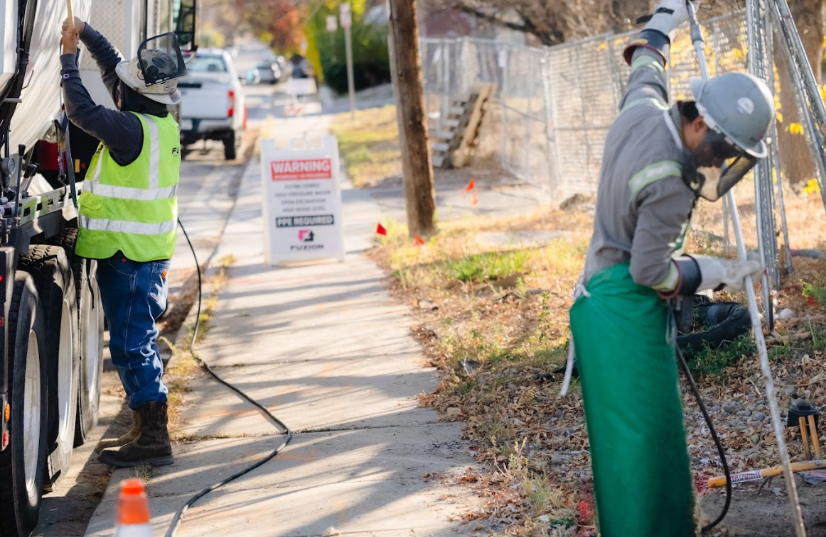
Storm drain cleaning risk increases with pipe size, access constraints, and the volume of debris that must be contained and managed during flushing.
Why Storm Drain Jetting Requires Scale-Aware Handling
Clearing clogged storm drains at commercial or municipal sites involves large pipe diameters, long runs, and significant volumes of material. Managing that material safely requires controlled flushing, downstream containment, and coordination with disposal protocols.
How Professional Controls Protect Infrastructure and Site Safety
Professional hydro jetting services manage pressure levels based on pipe material and diameter. Access points are secured to prevent uncontrolled discharge, and work zones are coordinated to protect pedestrians, vehicles, and adjacent structures. A drainage infrastructure maintenance approach also aligns inspection and cleaning with long-term system management.
Preventive Maintenance and Flood Risk Reduction
Preventive drainage work is easiest to justify when the consequences of failure are tied to access, liability, and the operational cost of unplanned flooding.
How Flooding Exposure Builds in Commercial and Municipal Settings
From a risk perspective, the cost of inaction often exceeds the cost of maintenance. A city storm drain clogged during peak rainfall can redirect water into streets, structures, or landscaped areas not designed for flooding. At commercial facilities, even brief drainage failures can interrupt deliveries, restrict access, or damage pavement and foundations.
Who Maintains Which Storm Drain Assets
Responsibility for storm drain maintenance depends on system ownership. Drainage infrastructure located on private property, including parking areas and access drives, is typically maintained by the property owner, while drains located in public rights-of-way are handled by municipal agencies.
How Scheduled Hydro Jetting Reduces Repeat Blockages
Using hydro jetting as a scheduled clogged drain solution reduces exposure to those disruptions by restoring capacity before weather events stress the system. Facilities that document cleaning intervals gain clearer insight into debris accumulation patterns, which supports better budgeting and planning by aligning service frequency with site conditions and seasonal debris loads before buildup becomes restrictive.
Long-Term Performance and System Reliability
Long-term drainage reliability depends on keeping stormwater capacity stable as debris loads and site conditions change over time.
Hydro Jetting Resets Performance Over the Full Pipe Length
The long-term value of hydro jetting lies in its ability to reset system performance. Removing internal buildup along the full length of the pipe restores hydraulic efficiency and slows the cycle of sediment deposition. This extends the effective service life of stormwater infrastructure and supports compliance with runoff management requirements.
Hydro jetting offers a repeatable, documented method for addressing both active blockages and developing restrictions. When integrated into a maintenance program, it functions as a dependable clogged drain solution that protects infrastructure, reduces flood risk, and supports uninterrupted operations.
Why Proactive Cleaning Matters as Drainage Loads Increase
As stormwater systems age and sites evolve, drainage demands rarely decrease. Increased impervious surfaces, changing traffic patterns, and seasonal debris loads all place additional stress on existing infrastructure. Proactive hydro jetting keeps storm drains functioning as designed and limits the operational consequences of failure.
Schedule Fuzion Hydro-Jetting Services for Efficient Storm Drain Clearing
Fuzion deploys professional hydro-jetting services to clear storm drains and restore full drainage capacity across commercial, industrial, and municipal sites. Each service is performed with controlled pressure, proper containment, and documentation aligned with infrastructure maintenance requirements. Contact us today for more information.