
A missed dumpster pickup can stop a jobsite cold. For GCs, property managers, and larger-project homeowners, that delay can add costs and schedule pressure. That is why choosing a business dumpster service requires a fair comparison between national scale, regional responsiveness, contract exposure, account access, and the amount of disruption the buyer is willing to absorb.
Price differences exist for legitimate reasons on both sides. National providers can be a smart fit for standardized accounts, broad coverage needs, and companies that want one system across many locations. Regional premium providers tend to make more sense when service speed, clear billing, direct communication, and jobsite coordination matter more than the lowest base rate on paper.
Business Dumpster Service Pricing Is Only The Starting Point
That difference becomes clearer once the quote is taken apart.
Base Rate And Included Terms
Container prices mean very little until the terms behind them are reviewed. A lower base rate may look attractive, but included weight, delivery, pickup, overage charges, fuel or environmental fees, extra-day terms, and contract length determine how stable the final invoice stays. For homeowners managing a large cleanup, those details can decide whether the quote stays predictable or changes after the container is hauled away.
National providers may appear cheaper at the base-rate level, but the real comparison depends on included weight, overage charges, pickup terms, contract length, and fees that apply after service begins.
Quote Clarity And Fee Exposure
For commercial buyers, the same issue gets bigger. A property manager or GC comparing business dumpster service options should ask what the quoted price actually covers, how weight is handled, and what happens when the site needs a swap, extension, or extra pickup. A clear quote process should show pricing before scheduling, while dumpster weight limits still affect the final cost when loads exceed the included allowance.
Searches like “waste management vs republic services” and “why is waste management so expensive” usually point to the same buyer concern: unclear fee structures, contract terms, service add-ons, or final invoices that no longer match the original expectation.
What A Higher Price May Actually Cover
A higher-priced provider is only easier to justify when the added cost connects to a real service advantage, such as faster response, clearer billing, flexible scheduling, direct account access, and fewer coordination problems. For a GC, that value can show up when a full container needs to move before another trade can work. For a property manager, it can mean recurring issues get handled by someone who does not need the account explained from scratch.
For a homeowner, the value may be simpler. A higher quote may still be reasonable if the provider explains the container size, pickup window, included weight, prohibited materials, and overage terms before the project starts. That kind of clarity is especially useful when comparing commercial dumpster service prices across companies that do not present fees the same way.
Response Time, Reliability, And Account Access
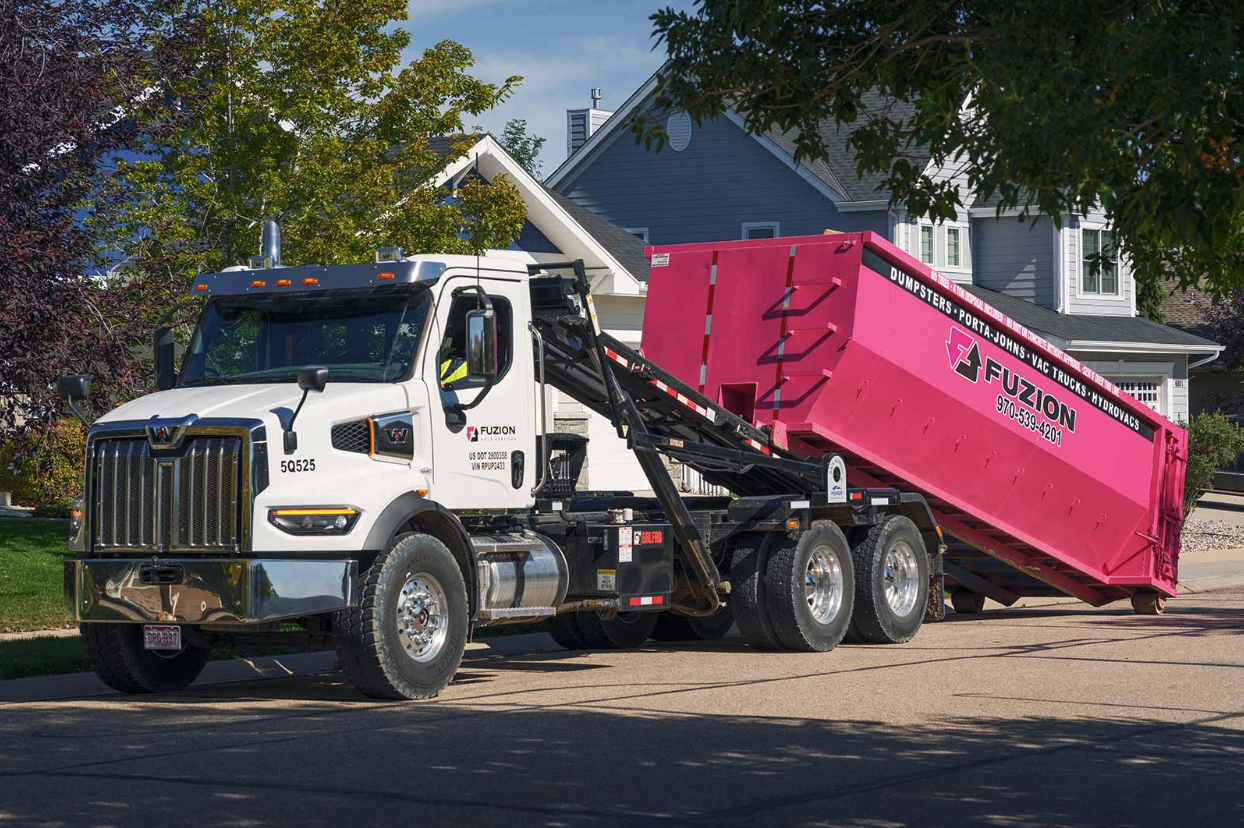
The biggest service-level differences usually appear when something changes: a blocked container, a missed pickup, an extended project, a debris-heavy tenant move-out, or a billing question that needs to be solved before the next invoice cycle. National providers often have established systems for commercial waste service requests, online account management, and repeat scheduling. That can work well for standardized accounts where the same service repeats across multiple locations. The tradeoff is that escalation can feel slower when the buyer needs a person who can make a local decision quickly.
Regional providers often compete on the ability to solve service problems before they become project problems. For a business dumpster service, that can mean shorter communication paths, better awareness of local routes, and more practical flexibility when the jobsite does not behave exactly as planned. The practical value comes from reaching someone who can respond before a missed pickup becomes a schedule problem.
Coverage Needs Should Match The Project
Coverage should be evaluated by location, route density, and response strength in each market.
When National Coverage Helps
National providers make sense when coverage is the deciding factor. A company managing facilities across several states may prefer one standardized vendor system, even if local response varies by market. National scale can also help when the service area is remote, rural, or spread across multiple regions.
When Regional Coverage Helps
Regional providers often make more sense when the project sits inside a defined service market and needs tighter coordination. A buyer comparing service areas should look beyond the map and ask how well the provider supports each location in practice. For commercial waste services Denver buyers, that means comparing response expectations, container availability, account access, and local routing familiarity instead of judging only by brand size.
For Colorado projects, regional coverage can carry real value when the provider can support multiple markets without becoming hard to reach. That is where local waste services can compete with larger providers: they may be easier to reach, faster to coordinate with, and better positioned to adjust when timing matters.
Billing, Contract Terms, And Flexibility
Coverage gets the container to the right place, but the contract determines how easily the account can change once service begins. The question is not simply whether national providers are cheaper; the sharper question is whether the contract structure matches the buyer’s risk. Some national accounts benefit from standardized account tools, online bill payment, and repeat service-request systems. That setup can work well for businesses that need consistency more than flexibility.
Regional providers may offer more flexibility, but the terms still deserve a close read. Before switching waste providers, review contract length, cancellation windows, fuel or environmental charges, service-change fees, overage rates, and the process for disputing an invoice. A premium price is easier to evaluate when those terms are clear before the buyer signs.
Specialized Service Capabilities Can Reduce Vendor Coordination
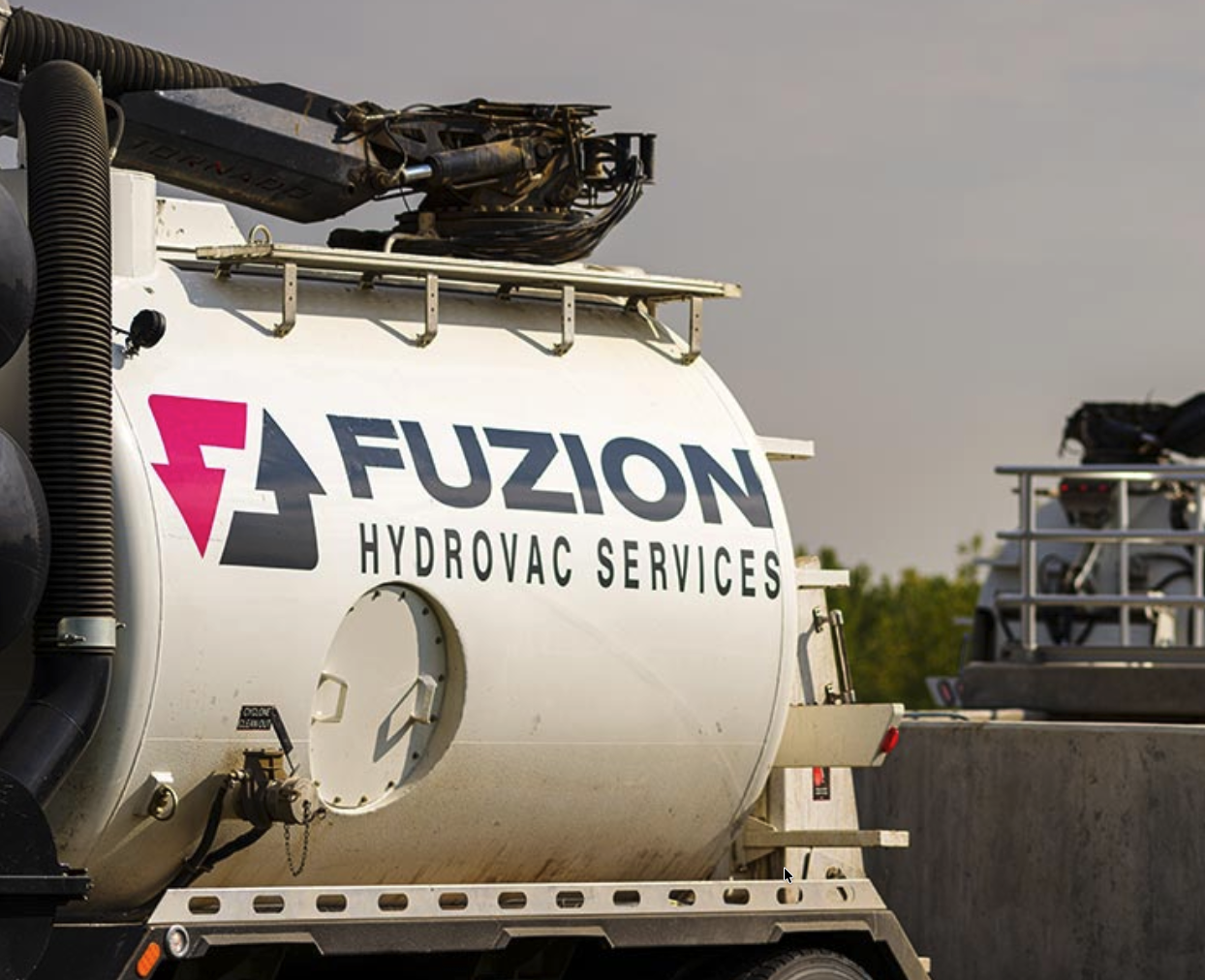
Once pricing, coverage, and contract terms are clear, the next question is whether one provider can support the whole site.
When Broader Service Menus Help
A dumpster is sometimes only one part of the service picture, especially on construction sites, industrial projects, municipal work, and larger commercial accounts that also need sanitation, temporary fencing, hydrovac support, potable water, transportation, or recycling services.
Larger providers may offer broad service menus, but those services only help when they can be scheduled around the project. A regional provider with broad commercial services can add value when waste removal is tied to sanitation, hydrovac, fencing, water, or other site needs. The operational benefit is fewer separate contacts and less time spent reconciling service schedules.
When Simpler Service Is Enough
That does not mean every project needs a premium provider. A simple, one-time container rental with a flexible schedule may not justify extra cost. A high-stakes jobsite with multiple service lines, tight access windows, and real delay costs may justify paying more for a business dumpster service that reduces vendor friction.
When To Choose A National Or Regional Provider
The right provider type depends on whether scale, response time, or project risk carries the most weight.
Choose A National Provider When Scale Matters Most
Choose a national provider when the account needs broad geographic reach, standardized account tools, online billing access, or service in markets where a regional provider does not operate. This structure can also make sense for companies that already have procurement systems built around large vendor contracts.
Choose A Regional Provider When Service Risk Is Higher
Choose a regional premium provider when the project depends on response time, clear communication, billing transparency, flexible scheduling, and local coordination. This is often the stronger fit for GCs managing active jobsites, property managers with service-sensitive tenants, and larger-project homeowners who want fewer surprises after the quote.
For buyers comparing waste management alternatives, the decision depends on the cost of service failure. If a missed pickup creates only a minor inconvenience, the lower base rate may win. If a missed pickup delays work, frustrates tenants, blocks access, or triggers extra labor, the better business dumpster service may be the provider that prevents the problem or fixes it quickly.
Questions To Ask Before Signing
The easiest way to compare providers is to turn those risks into direct questions. A true apples-to-apples comparison should cover included services, fee triggers, missed-pickup procedures, account access, and whether related site services can be coordinated through one vendor.
Before choosing a provider, ask:
- What is included in the quoted price?
- How much weight is included before overage fees apply?
- Which fees can be added after delivery, pickup, or disposal?
- What happens if a pickup is missed, delayed, or blocked?
- Who is my account contact when the schedule changes?
- How long is the contract, and what are the cancellation terms?
- Can the provider support related site services if the project expands?
- Does the provider’s coverage match every location I need served?
A buyer searching for the best commercial dumpster company Colorado should compare these details before trusting a low quote or a familiar national name. The strongest choice is the provider whose pricing, coverage, communication, and service scope match the actual risk of the project.
Get Clear Waste Service Support For Your Next Project
Fuzion Field Services helps Colorado commercial teams and project owners compare waste needs before the quote turns into a scheduling, billing, or coordination problem. The process includes up-front pricing, easy online scheduling, statewide Colorado roll-off dumpster coverage, and support for projects that also need sanitation, hydrovac, fencing, water, or related field services. To compare service options for your next project contact us today.