
Every construction project begins with a plan. Drawings and schedules define what will be built and when each phase should move forward. A construction budget links those expectations to field operations, tracking real work, real costs, and the daily details that determine whether the project stays on course from mobilization to close-out.
What a Construction Budget Covers
A realistic budget starts long before ground breaks. Estimators collect bids, check quantities, confirm labor rates, and test assumptions against past projects. Teams that build dependable budgets also account for site logistics that are easy to overlook at the desk: temporary fencing, dumpsters and haul intervals, portable power, temporary water, erosion control, and municipal or environmental fees that shift with site conditions.
When those operational details are ignored, even a careful estimate can lose accuracy as soon as the project begins. The purpose of construction budgeting is not to guess every future expense; it is to create a clear, traceable financial record that can be measured and verified as work progresses.
Steps to Build a Realistic Construction Budget
Developing a complete financial plan requires structure, each phase of work must tie to a documented process that keeps costs visible from the start.
Define Project Scope and Goals
First, define the project scope so everyone agrees on the deliverables and boundaries. A clear scope prevents overlap between trades and limits change orders caused by missing details.
Estimate Direct and Indirect Costs
During estimating, crews and project managers list direct costs, materials, equipment, and labor tied to production, on one side of the ledger and record indirect or soft costs such as permits, testing, insurance, supervision, temporary utilities, and environmental compliance on the other. Direct items dominate the totals, but indirect costs are what often create the biggest overruns if they’re missed early.
Include Contingency and Overhead
Most contractors include a contingency allowance to handle uncertainty, typically five to fifteen percent. Weather, supply shifts, and unforeseen conditions occur on nearly every job. Each use of contingency funds should be logged as its own transaction with a short justification so owners and lenders can see what changed and why.
Overhead belongs in the same conversation. Equipment depreciation, administrative time, and insurance obligations do not appear in daily production logs, but they influence profitability just as directly as material purchases or labor hours and should be tracked in the same record.
Document and Approve Line Items
After compiling the figures, teams document and approve each line item to establish a verifiable record before field work starts. This stage determines how traceable the construction project budget will be once work begins. Each line should connect to cost codes, purchase orders, and contracts so that invoices and receipts can be reconciled without guesswork.
When the paper trail is established early, reporting becomes transparent. Project managers, owners, and inspectors can follow each dollar from the original estimate to the final payment. Field services should be handled the same way, every waste-hauling ticket, environmental fee, and disposal manifest belongs inside the same ledger so the financial picture reflects actual operations.
Construction Budget Tracking and Management
A functional budget only works if information moves both ways, field data must feed the ledger just as the ledger guides field decisions.
Collect and Review Field Data Regularly
Tracking transforms the budget from a static estimate into an operational control tool. Field data should update the ledger on a steady cadence, weekly at minimum, so managers can compare planned versus actual totals and correct variances while they’re still small. Labor hours, equipment rentals, material receipts, and disposal costs are the core inputs.
A short review during coordination meetings often catches open purchase orders, unapproved tickets, or pending change orders before they create reporting gaps. Early attention keeps minor shifts from growing into major overruns.
Maintain Daily Documentation Discipline
Accurate budget management depends on consistent documentation. Digital systems help, but discipline is the safeguard. Services just outside trade production, waste handling, fuel deliveries, rental extensions, temporary facilities, tend to drift when crews focus on installation. Recording those costs in the same system as trade work preserves accuracy and compliance across the full scope of the project.
Use Data for Real-Time Decision-Making
Weekly summaries and variance reports should drive scheduling and procurement adjustments, not just record what already happened. When teams treat reporting as part of operations, the budget becomes an active management tool that anticipates issues instead of reacting to them.
Cash Flow and Schedule Integration
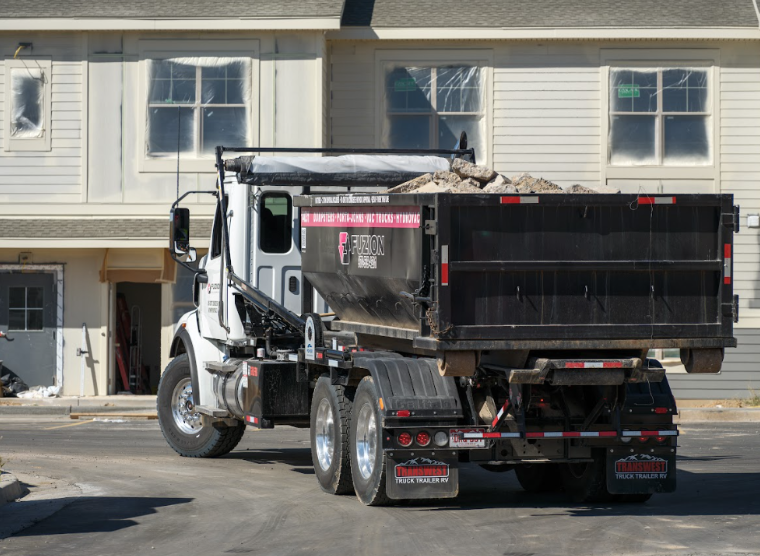
A budget should mirror the construction schedule so progress payments align with executed work. Tracking earned value, comparing planned quantities to completed quantities, prevents cash-flow bottlenecks that delay suppliers or payroll. When the budget aligns with draw requests and schedule of values, approvals move predictably and crews stay on task.
Using Historical Data
Historical data strengthens future planning. Teams review closed projects to see where assumptions held and where they broke. Patterns in labor productivity, rental duration, waste volume, and inspection timing all inform the next estimate.
Each verified record improves unit pricing and clarifies the allowances required for similar scopes in the future. Over time, that discipline builds financial resilience into new work because estimates reflect how projects behave under real field conditions rather than ideal plans.
Construction Budget Example
A clear budget example helps illustrate how tracking becomes action. Consider a mid-size commercial build with direct costs for structure and finishes, indirect costs for permits, testing, insurance, supervision, and temporary utilities, and a contingency reserve sized to the project’s risk profile. After the first month, weekly reporting shows debris-hauling costs rising faster than planned.
- Verified disposal tickets point to extra weekend runs following weather delays.
- The team adjusts haul frequency and staging, eliminating unnecessary trips and returning the cost curve to plan without cutting scope.
The same approach applies to equipment: when rental logs show idle time, schedules are tightened so spend matches actual use.
Common Budgeting Mistakes in Construction
Soft costs are underestimated when plan review, temporary utilities, or required testing expand with project complexity. Another problem appears when the budget is treated as paperwork rather than a live record. When updates stop, financial control disappears. Comprehensive construction budget tracking prevents that drift because every cost entry links to documentation that can be audited, and discrepancies surface quickly during variance reviews.
Post-Close Reconciliation
When the project ends, the final file becomes a resource for future estimates. Comparing planned and actual totals reveals where productivity assumptions were strong, where rental durations ran long, and where waste volumes exceeded expectations. Keeping these reports with brief variance notes improves pricing for upcoming bids and strengthens audit readiness for owners or lenders who review past performance.
Ensure Transparency and Reporting Accuracy with Fuzion’s Verified Processes
Fuzion coordinates field-level cost documentation that supports every phase of a project. From waste tracking and environmental fees to final verification reports, each record promotes compliance and dependable reconciliation so budgets stay aligned with actual work. Projects close with financial clarity and documentation that stands up to inspection. Contact us today for more information.