
At 6:00 Monday morning, a superintendent on a mid-size commercial build is trying to reach three separate companies about an overflowing dumpster, missed toilet service, and fence panels blocking a delivery route. By the time the calls are returned, there are three explanations, three schedules, and no single person taking ownership of the disruption. A capable construction site services vendor can remove that scramble, but only when the company controls the work and has the authority to fix problems across the account.
When a Construction Site Services Vendor Makes Sense
For anyone asking, “should I use one vendor for all site services,” the answer is usually yes when the provider directly controls the included services, covers the project location reliably, and gives the site one contact with real correction authority. One phone number has limited value when the person answering can only pass messages to several unrelated companies.
A single provider is a good fit when the services share the same access points, project schedule, and field conditions. That overlap lets one provider adjust related services as access routes, crew levels, and project phases change.
What Jobsite Vendor Consolidation Actually Improves
Jobsite vendor consolidation can reduce field handoffs and cut the administrative work created by separate service accounts.
Fewer Field Handoffs
Consolidating jobsite services can give the project one accountable contact and coordinated schedules. The field benefit is fewer handoffs between the person reporting a problem and the people who can dispatch, reschedule, or correct the work.
To see how to simplify construction site vendor management, count how many people touch a routine change. A revised access plan may require a commercial dumpster rental container swap before concrete trucks arrive. The same change may require the portable sanitation services crew to move units away from a new work zone. That keeps both changes tied to the same access plan.
Less Office Work
One account can reduce invoice review, duplicate vendor setup, separate purchase orders, and repeated insurance-document requests.
The superintendent may still feel the biggest difference in the field. One accountable contact can follow a problem through to completion instead of telling the superintendent to call someone else.
Where Bundling Creates Risk
The pros and cons of bundling jobsite services start with greater dependence on one company. One weak provider can affect several services, and the risk becomes clear when the company is strong in one service and average in the others. A missed dumpster swap is frustrating; a missed swap, overdue toilet service, and delayed fence adjustment from the same provider can disrupt several parts of the site at once.
Bundling may make it harder to replace one underperforming service. A contractor may hesitate to move sanitation elsewhere when dumpsters, fencing, and account pricing are tied to the same agreement. Before signing, confirm how the contract handles an underperforming category and whether one service can be changed without restructuring the full account.
Which Services Usually Fit Under One Account
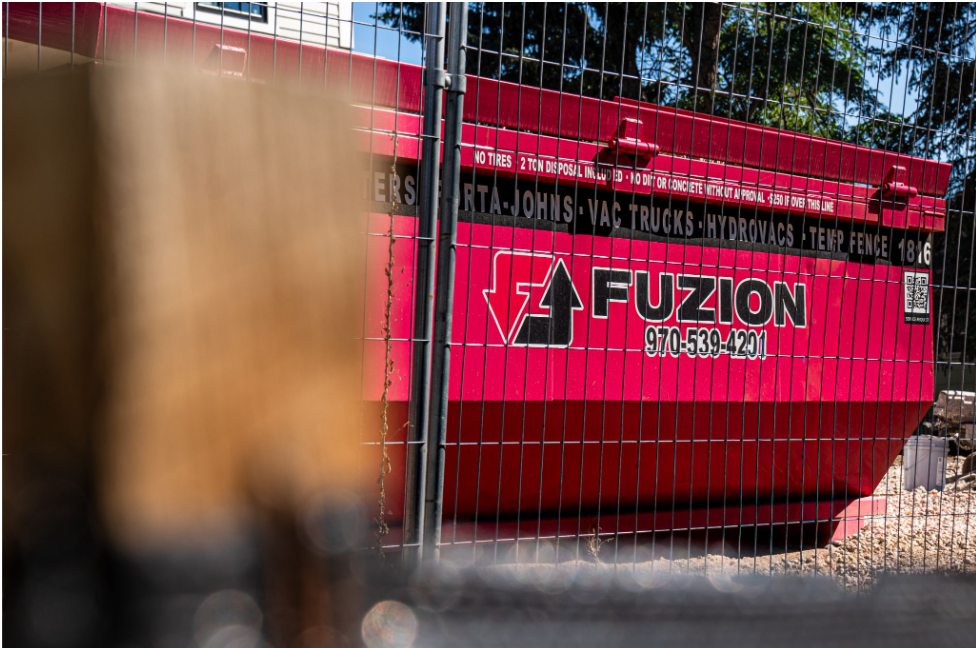
Services consolidate best when they share recurring schedules, site access, equipment placement, and frequent field adjustments.
Routine Services Share the Same Jobsite Logistics
The question “is it better to use one vendor for dumpsters and portable toilets” usually has a practical answer: yes, when the provider can service both categories reliably at the project address. These services consolidate cleanly because they depend on recurring site access, accessible placement, service schedules, and adjustments as the project changes. Temporary fence panels often follow the same operating pattern. Fence lines may need to shift for grading, deliveries, building access, or changing traffic routes.
Potable water and other recurring commercial site services can also fit under one account when the provider has the equipment and capacity to keep each service on schedule. A capable construction site services vendor will explain how the services are coordinated instead of presenting a long list of offerings. The project team should receive a clear process for requesting changes, confirming completion, and handling competing access needs.
Technical Services Need a Stronger Capability Test
Hydrovac services require a deeper review because the work depends on specialized trucks, experienced crews, project conditions, and precise scheduling. Hydrovac can still belong under a broader account, but the contractor should verify operating capacity rather than assuming that every listed service is managed at the same level.
Convenience should never replace a capability check.
When a Specialist Should Stay on the Project
Some services should stay with a specialist that brings stronger equipment, field experience, or local coverage.
Keep Proven Specialists on Difficult Work
A specialist remains the better choice when the work carries unusual technical demands, requires equipment the primary provider does not control, or sits outside the provider’s reliable service area. Remote jobs can expose coverage gaps that looked manageable on the proposal.
An existing specialty vendor may also deserve to stay when it has already performed difficult work reliably. Keeping that company may reduce risk even when routine services move under one account.
Use a Hybrid Model When Coverage Varies
A hybrid arrangement can give the project one core provider for dumpsters, sanitation, fencing, and water, then retain a specialist for technical or location-specific work. Contractors evaluating construction site services in Colorado should confirm that each included service reaches the actual project address. Teams comparing jobsite services in Denver, Colorado, should verify service-area coverage by category rather than relying on a company-wide map.
Any construction site services vendor should be able to explain where service is strongest, where response expectations may change, and what happens when a project falls outside normal capacity.
How to Tell Who Controls the Work
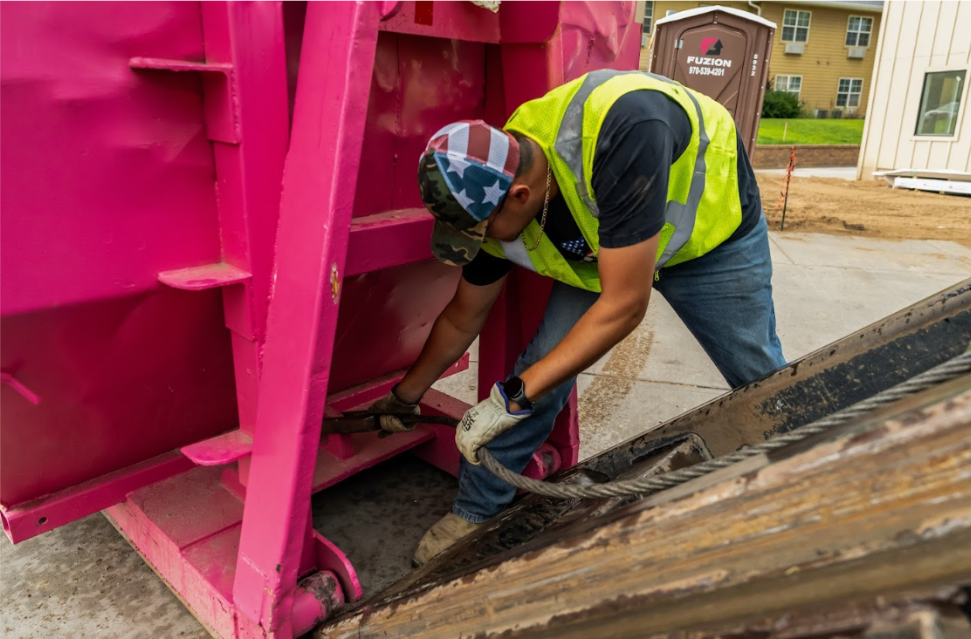
A broad service area does not show who controls the crews, equipment, and dispatch behind each service.
Verify Operational Control
A construction site services vendor has not proven full-service capability until it can identify who performs each service, who dispatches it, what is subcontracted, what backup resources exist, and who owns the escalation process.
Each service also needs clear performance expectations. The agreement should state how often service occurs, how quickly problems will be addressed, how completed work will be confirmed, and what happens after repeated failures.
Understand the Provider Model
A single account does not always mean one operating company:
- Direct operator: Controls field work and dispatch for the services it performs.
- Broker: Manages the customer relationship and arranges some or all services through other providers.
- Independent specialists: Separate companies are retained for defined service categories.
- Hybrid arrangement: A core provider handles routine needs while selected specialists remain on the project.
Whichever model the project uses, a bundled construction site services agreement should spell out who controls each service, which work the provider performs directly, and which services may be assigned elsewhere. When comparing a single vendor with multiple vendors for a construction site, operational control matters more than the number of invoices. One bill does not prove that the account contact can move a truck, send a crew, or correct a missed service.
Questions to Ask Before Consolidating
Before choosing a construction site services vendor, ask questions that test field capability instead of sales language:
- Which services do you perform directly?
- Which services will be subcontracted or assigned to another company?
- Who dispatches each service, and can my account contact authorize a correction?
- What backup trucks, equipment, or crews are available?
- How are urgent requests and missed services escalated?
- What service frequency and response times will be documented, and how will completed work be confirmed?
- Is every included service available at this exact project address?
- Can you provide a reference from a project that used several of these services together?
Look for specific answers about operating structure, coverage limits, response procedures, and backup plans. A capable provider should be able to answer without falling back on broad promises.
Coordinate Site Services With Fuzion
Fuzion coordinates dumpsters, sanitation, hydrovac, temporary fencing, and potable water through one operating organization, one dispatch structure, and one account contact. Our team can review the project location, schedule, and service needs without routing the account through a marketplace of unrelated vendors. Contact us today for more information.