
Five separate vendors can make one cheap plan expensive. Dumpster swaps, restroom service, fence moves, hydrovac work, and water deliveries each create their own access windows, invoice trails, and recovery calls when timing slips. For commercial buyers comparing construction site services, total cost of ownership gives a cleaner way to judge bundled site support against multiple vendor relationships.
Why Line-Item Pricing Misses The Real Cost Of Construction Site Services
A quote only shows what the vendor charges. It does not show the time your superintendent spends confirming delivery, the office time spent matching invoices, or the schedule risk created when one service window slips and another vendor cannot adjust.
That gap matters on active commercial, industrial, and property-management sites because construction site services do not operate in isolation. A dumpster swap can affect cleanup, a delayed restroom service can affect crew conditions, a fence change can affect truck access, and a water delivery can affect dust control, sanitation support, or utility work. When each category runs through a different company, the buyer owns the coordination burden, and total cost of ownership adds those invisible costs back into the comparison once the site is active.
Is Bundling Site Services Actually Cheaper?
Bundled site services are not automatically cheaper by line item. A specialist vendor may quote a lower rate for one narrow service, especially when the scope is simple, predictable, and disconnected from the rest of the site schedule. Bundling becomes financially meaningful when several recurring services need to work around the same access points, project phases, and daily field conditions.
One vendor relationship can reduce the number of calls, purchase orders, delivery windows, contract updates, and service disputes that the project team has to manage. That reduction may not appear as a discount on a single line item, but it can lower the total cost of ownership when the site has enough moving parts. Multiple vendors may win when the services are isolated and easy to supervise, while a bundled model may win when dumpsters, portable sanitation, fencing, water, and related support services all affect the same schedule.
The Hidden Costs Of Managing Multiple Vendors
Multiple vendors create cost in four places buyers often underestimate: administration, scheduling, communication, and risk.
Administrative Load
The hidden cost of multiple vendors is the labor spent managing handoffs, confirming service windows, reconciling separate invoices, and resolving problems when one missed delivery affects another part of the site. Nobody invoices that time as “multi-vendor coordination cost,” but the project still pays for it through staff hours and schedule drag.
Administrative time usually appears first. Each vendor may require separate onboarding, insurance documentation, purchase orders, certificates, billing contacts, service terms, and renewal conversations.
Scheduling And Communication Friction
From there, scheduling friction builds as each vendor needs site access during active work hours around crews, equipment, deliveries, and staging changes. Communication overhead grows whenever the site entrance shifts, the staging area moves, or the schedule compresses.
One missed message can leave a truck at the wrong gate, a container in the wrong location, or a crew waiting on a service that should have been handled earlier. That missed update is often where the cost becomes visible. A missed swap or delayed restroom service may start as one vendor issue, then turn into superintendent calls, office follow-up, schedule reshuffling, and a second round of vendor confirmation.
Risk Premium
The risk premium is harder to see, but it can cost more than the original coordination work. When responsibility gets blurry, the site team loses time sorting out the problem before the actual service issue gets fixed.
Which Jobsite Services Bundle Well Together?

Services bundle most cleanly when they return to the site often, need predictable access, and can affect the work schedule if they slip.
Waste Removal And Sanitation
Waste removal, sanitation, temporary fencing, potable water, and some hydrovac or cleanup needs often fall into that category because they support the same operating environment. A roll-off dumpster rental service ties directly to cleanup, renovation debris, construction-site waste, concrete, asphalt, and recurring waste removal on active sites.
If swaps or pickups fall behind, debris can affect access, staging, safety, and crew productivity. Sanitation services also benefit from consistent coordination because portable toilets, handwashing stations, and related support need recurring service. A missed cleaning can create crew complaints, compliance concerns, and unnecessary office follow-up.
Temporary Fencing, Water, And Hydrovac
Temporary fencing fits naturally with other jobsite services because access control and site boundaries change as work progresses. Gates, privacy screens, and delivery routes may need to adjust as dumpsters, water, or specialty service trucks move through the site.
Potable water and hydrovac support can also fit into a bundled planning model when they touch the same schedule. Hydrovac services may support utility daylighting, excavation, cleanup, or industrial work that requires coordination with other site operations. The better test is whether those categories depend on the same access, timing, and communication path.
When A Single Source Vendor Makes Sense
The fit depends less on vendor count alone and more on how often site services share access, timing, and escalation needs.
Operational Fit
A single source vendor makes the most sense when recurring services share the same access points, work phases, and field updates. The strongest version of vendor consolidation gives the field team one coordination path for service changes, access updates, and recovery work, especially on projects with limited access, tight staging areas, compressed schedules, or frequent phase changes. One contact can often route updates faster than a buyer trying to coordinate separate vendors who only see their own scope.
That matters when the problem is not placing an order, but getting the right person to adjust service before the delay reaches the crew. Accountability shows up in fewer handoffs, fewer missed messages, and a clearer route to the person who can fix the problem.
Colorado Coverage
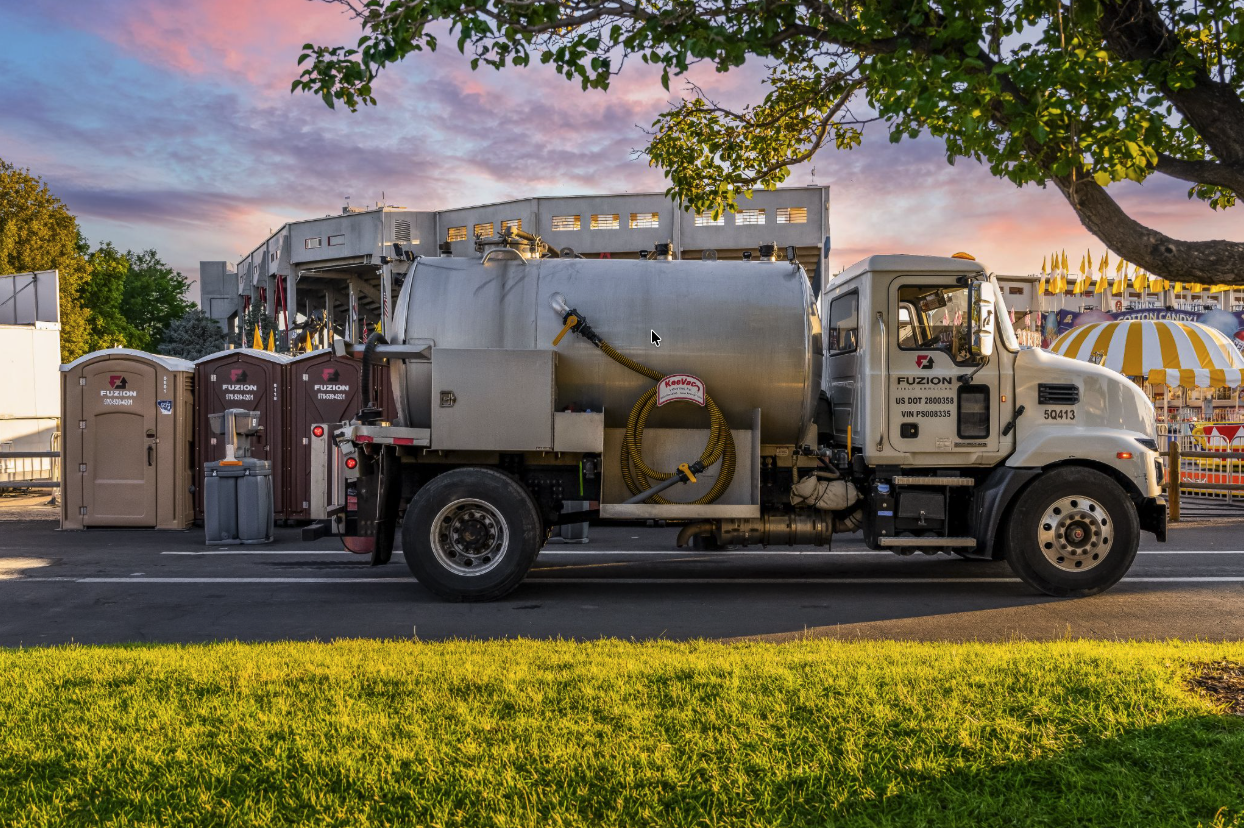
For Colorado buyers, including Denver-area teams comparing bundled site services, local coverage matters as much as the service list. Consolidation only reduces friction if the service mix actually reaches the project location, supports the needed categories, and can respond within the schedule. Fuzion’s commercial site services include dumpsters, sanitation, hydrovac, temporary fencing, and potable water support, with service-area information that helps buyers evaluate fit by location and service category.
When Specialists Still Win
The same logic that supports vendor consolidation also defines its limits. Specialist vendors still make sense when a scope is highly technical, unusually regulated, outside the primary vendor’s coverage area, or disconnected from the rest of the site-services schedule.
The strongest procurement strategy is often a hybrid. Use one vendor for recurring site support where coordination costs are high, then bring in specialists when the work demands separate technical depth. If the service repeats, touches daily site access, and affects other work, consolidation deserves serious consideration. If the service is isolated, rare, or technically specialized, a separate vendor may be the cleaner choice.
How To Calculate Total Cost Of Ownership For Site Services
True total cost of ownership for site services starts with the quoted service price, then adds coordination labor, administrative handling, schedule-risk exposure, missed-service recovery time, and time spent sorting out vendor overlap. The calculation should stay simple enough to use, but honest enough to include the work that never appears on a vendor quote.
Before choosing between bundled and unbundled construction site services, compare the buying approach against the work it creates for your team:
- Start with quoted service cost. Compare the actual vendor pricing for dumpsters, sanitation, fencing, water, hydrovac, and any related recurring services.
- Count the number of vendors. Each additional vendor usually adds another contact, contract, insurance record, invoice path, and escalation process.
- Estimate coordination hours. Include superintendent time, project manager time, admin time, and after-hours problem solving.
- Map recurring service windows. Identify how often each vendor needs site access and how easily those windows can conflict.
- Add invoice and contract handling. Multiple vendors create more billing review, coding, approval, dispute, and renewal work.
- Account for missed-service recovery. A late pickup, skipped cleaning, blocked gate, or missed water delivery can create real labor even when the vendor eventually corrects it.
- Evaluate schedule exposure. Ask what happens if one service fails during a critical phase and whether another vendor’s work depends on it.
- Compare accountability. A lower line item may lose value if your team has to sort out responsibility every time schedules overlap.
For construction site services, this framework gives buyers a more accurate way to compare total cost of ownership because it includes the work required to manage the vendor model. A bundled proposal still has to earn the business, and separate quotes may still be the better fit when the decision reflects operating cost instead of quote presentation alone.
Work With Fuzion To Simplify Commercial Site Coordination
Fuzion supports commercial and industrial sites with dumpsters, sanitation, hydrovac, temporary fencing, potable water, and related field services through one contract and a single point of contact. For buyers trying to simplify coordination, that service mix can keep schedule changes, site access, and accountability moving through fewer separate contacts. Contact us today for more information.