
Most homeowners asking about driveway damage are really asking whether one rental decision could turn a remodel or cleanout into an avoidable repair bill. That concern is reasonable. A roll-off dumpster can place several thousand pounds on a residential surface, and some driveways handle that pressure better than others.
What Causes Driveway Damage From a Dumpster?
Several variables work together to determine whether a residential driveway comes through a dumpster rental without marks, dents, or cracks.
A dumpster does not automatically ruin a driveway. A dumpster on driveway surfaces creates a different level of risk on concrete, asphalt, and pavers, which is why surface type matters so much before delivery. In most residential situations, problems usually come from how the dumpster is placed, how heavily it is loaded, the condition of the driveway, and how long it stays in one spot. When those variables are handled carefully, the chance of damage drops. Many problems start with where the dumpster sits and how heavily it is loaded.
Concentrated Weight Puts the Most Stress on the Surface
The biggest driver of driveway damage is concentrated pressure where steel feet, rails, or rollers meet the surface. Engineer Fix notes that a fully loaded 20-yard dumpster can weigh about 5,000 to 10,000 pounds, and that weight can be concentrated over only a few square inches during placement. That is why delivery and pickup are often the moments when the surface sees the most stress. Marks and gouges are also more likely when the container has to drag or pivot during delivery or pickup.
Driveway Material Changes How the Surface Responds
How that pressure affects the driveway depends heavily on the material below it.
- Plain concrete usually holds up better than asphalt because it resists compression well, but older slabs, new slabs that have not fully cured, cracked sections, weak edges, and poorly supported areas can still crack under concentrated loading.
- Asphalt responds differently because heat makes it softer and more likely to rut or indent under sustained pressure, especially in warm weather.
- Interlocking pavers bring a separate issue, since the risk is often settling, shifting, or chipped edges rather than one large crack.
For homeowners, surface condition matters as much as surface type. A driveway in good condition usually handles a rental better than one with existing cracks, weak edges, soft spots, or unstable pavers.
Placement Duration Increases Exposure
Surface strength is only part of the story. Time matters too, because a dumpster that sits in one spot for days keeps that pressure in place. Longer placements also increase exposure to heat, moisture, and repeated loading. That extended exposure can raise driveway damage risk even when the initial delivery goes smoothly. Many HOA policies treat seven to ten days as a standard residential window and may require added approval for longer placements, which makes shorter, well-planned rentals a smart way to reduce both compliance issues and surface exposure.
Debris Type and Dumpster Size Affect Total Load
Time is only one part of the load picture, because the type of debris inside the container also changes how much weight the driveway must support. Household junk, furniture, wood, and general cleanout debris are usually far lighter than concrete, brick, roofing shingles, tile, rock, or soil.
Match the Container to the Material
Small renovations and cleanouts often fit a 10-yard dumpster. Single-room renovations and garage or basement cleanouts usually land in the 15-yard range. Projects involving concrete or asphalt often need a 20-yard container because those materials add weight quickly.
- 10-yard dumpster: small renovations, light cleanouts, and lower-volume household debris
- 15-yard dumpster: single-room remodels, garage cleanouts, and basement cleanouts
- 20-yard dumpster: heavier debris such as concrete, asphalt, brick, tile, or similar dense materials
Matching the container to the actual debris helps keep the load within a range that fits the project instead of defaulting to a heavier setup than necessary. Heavier debris reaches weight limits faster, which is why size selection and fill level matter as much as the container itself.
Avoid Overloading the Dumpster
Overloading is another common trigger for driveway damage. Even a strong surface can struggle when a dumpster is packed beyond its intended weight or loaded above the fill line. Keeping debris level and avoiding dense overfilled loads is one of the simplest ways to reduce surface stress. The wrong size creates problems either way. A container that is too small invites overfilling, while one that is too large can add unnecessary dead weight and tempt homeowners to load more than the project requires.
How to Reduce Risk Before Delivery
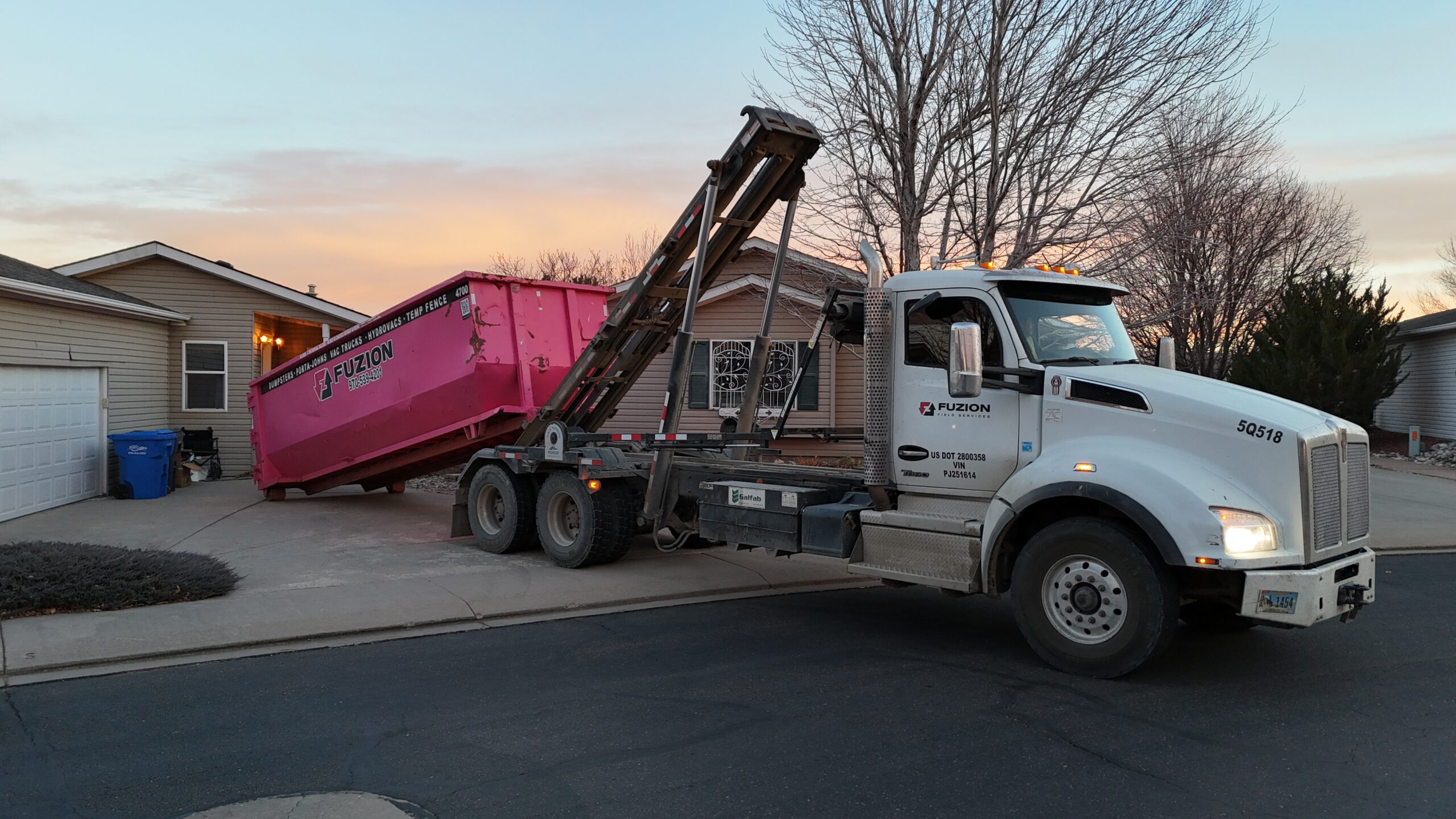 Knowing how to pick the right dumpster size ensures the container fits your space and handles your project efficiently.Once the main risk factors are clear, the next step is limiting how much force reaches the driveway and choosing a placement strategy that reduces unnecessary stress.
Use Plywood or Protective Mats Under Contact Points
Good driveway protection starts with spreading the load before steel contact points press directly into the surface. Exterior-grade plywood at least three-quarters of an inch thick under the feet and rollers can help distribute the force, and additional layering can spread the load further. Protective mats can serve the same purpose. Photos taken before delivery and after pickup give homeowners a clear record of driveway condition, which matters in neighborhoods where pavement responsibility stays with the property owner.
Choose a Stable Placement Area
Strategic placement matters just as much as protective boards.
Pick a Solid, Accessible Spot
The best location is usually a solid, level section of the driveway with good support, clear truck access, and enough room to avoid tight pivots or dragging. Let the rental provider know in advance if the driveway is sloped, older, cracked, or built with specialty materials so the drop location can be planned more carefully. It also helps to avoid weak slab edges, drainage structures, and known cracked areas.
Check Clearance and Placement Rules
Placement should also keep hydrants, mailboxes, and shared access points clear so delivery and pickup do not create code or neighborhood access problems. Many communities want containers kept on private driveways or designated service areas instead of the street, often with a basic placement sketch submitted in advance. If the only available location crosses a sidewalk, curb, alley, or other public right-of-way, municipal permits may still be required even after HOA approval.
When Homeowners Should Be More Cautious
Those same planning steps also show when driveway damage is more likely before delivery. Fresh concrete that has not fully cured, soft asphalt during hot weather, decorative pavers, visibly cracked slabs, unsupported driveway edges, and projects involving dense materials all increase the chance of marks, settlement, or cracking.
Some homes also have HOA placement rules, quiet-hour restrictions, or limited service windows that make rushed placement more likely. In those cases, confirm the surface type, debris type, dumpster size, and delivery location before scheduling delivery.
How Waste Rules and HOA Restrictions Affect Planning
One final planning detail affects both weight and scheduling.
- Restricted items need separate handling, and dense debris like shingles, soil, tile, and concrete can push a container toward weight limits much faster than many homeowners expect.
- Items such as paint, solvents, batteries, electronics, propane tanks, and other restricted materials are not accepted in standard residential loads, so it helps to sort materials before delivery day.
- Before delivery, it also helps to confirm any HOA dumpster restrictions that affect visibility, placement, timing, and documentation.
Choose Fuzion Residential Dumpster Rentals With Better Placement Guidance
Careful planning reduces the chance of preventable driveway issues during a home project. Fuzion offers residential dumpster rentals sized for cleanouts, remodeling work, and other household jobs, with scheduling and placement guidance that helps homeowners prepare the space correctly. Contact us today for more information.
Frequently Asked Questions
Will a dumpster crack a concrete driveway?
A concrete driveway can crack under a dumpster if the slab is weak, already damaged, not fully cured, or exposed to concentrated weight without protective boards or mats.
Can a dumpster sit on an asphalt driveway safely?
A dumpster can sit on asphalt, but soft pavement, hot weather, long placement times, and heavy loads increase the chance of dents or rutting.
Do plywood boards help protect a driveway from dumpster weight?
Yes, plywood boards or protective mats help spread the load and reduce direct pressure from steel contact points.
How long can a dumpster stay on a driveway?
A shorter rental window generally reduces surface exposure, while longer placements leave the driveway under sustained weight for more time.
What dumpster size is best for avoiding driveway stress?
The best size is the one that fits the project without overfilling, because overloaded containers and unnecessarily large dumpsters both add avoidable weight.