
Cleaning out a home creates more waste than most people expect. Closets, garages, basements, and storage rooms quietly accumulate years of items before sorting ever begins. For many homeowners, dumpster trash removal becomes one of the most practical ways to keep that process organized, contained, and moving forward without repeated disposal interruptions.
When A Dumpster Makes Sense For Home Cleanouts
A home cleanout becomes far easier when disposal stays centralized and accessible.
When Disposal Becomes The Bottleneck
Home cleanouts often begin with momentum and slow once disposal logistics take over. Trash bags stack up fast, vehicles fill after a few loads, and disposal hours can start calling the shots. A residential garbage dumpster removes that constraint by keeping debris on-site so the work can continue without stop-and-go disposal runs.
Common Home Cleanouts That Fill Up Fast
There are several situations where a dumpster for house clean out is the right fit. Whole-home decluttering uncovers bulky items that do not fit into standard bins, including furniture, shelving, and damaged household goods. Garage cleanouts bring similar challenges when tools, scrap materials, and mixed debris are involved.
A dumpster to clean out a garage allows everything to be removed in one steady push instead of staging piles and circling back week after week. That single change often determines whether the project finishes on schedule or drags on.
Cleanouts, Remodels, And Moving Prep
Remodeling projects generate dense debris that cannot be handled gradually. Flooring removal, cabinet replacements, drywall tear-outs, and fixture upgrades produce material quickly once demolition starts. In these cases, a dumpster for junk removal helps keep work areas clear and prevents debris from tracking through living spaces.
Estate cleanouts and moving preparation follow the same pattern. Timelines tighten, and discarded material can exceed what a household trash dumpster can reasonably handle. Centralized disposal prevents clutter from overtaking the property during an already time-sensitive transition.
Why Landfill Trips Slow Projects Down
Many homeowners initially try to manage cleanouts through multiple landfill trips. The approach usually slows once the first loads are ready, as time is lost loading vehicles, driving to disposal sites, waiting in line, and unloading.
- Dumpster trash removal helps keep disposal centralized so the cleanout stays the focus rather than the transportation of waste.
- Once disposal is centralized, a dumpster clean out simplifies the process by consolidating waste handling into a single step.
- Debris gets loaded as rooms are cleared, and pickup happens once the container is full or the project concludes.
This structure helps reduce scheduling friction by removing off-site disposal from the daily workflow.
Choosing The Right Dumpster Size
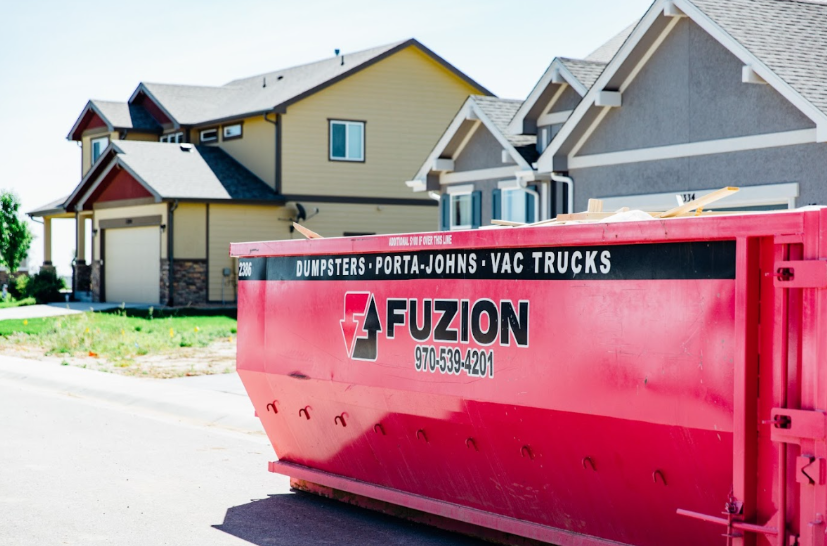
One sizing decision can prevent overflow, delays, and last-minute reloading.
Why Size Choice Drives The Whole Cleanout
Choosing the right dumpster size is one of the most important planning decisions, and dumpster trash removal stays simpler when the container matches the job. Underestimating volume can lead to overflow and delays, while oversized containers may consume unnecessary driveway space. Household debris fills containers faster than most homeowners expect because furniture, carpeting, and construction materials occupy significant volume even when broken down.
A Practical Sizing Rule Of Thumb
Many homeowners find a mid-size roll-off works for room-by-room cleanouts, while full-house cleanouts and renovation debris often require a larger container.
How Standard Sizes Scale With Debris Type
Standard roll-off dumpster sizes scale with both volume and debris type, which keeps planning more predictable when the cleanout expands.
Weight Limits And Material Considerations
Weight limits matter as much as volume. Heavy materials such as shingles, tile, plaster, or remodeling debris can push a load over the limit before the container looks full. Overloaded dumpsters may require partial unloading or additional fees, both of which disrupt progress.
Understanding weight expectations early helps homeowners sequence heavier materials appropriately and reduce the likelihood of mid-project adjustments. This planning step is especially important when construction debris is mixed with household items.
What Can And Cannot Go In A Dumpster
Knowing what can and cannot go into a dumpster prevents problems once loading begins.
- Most household debris and non-hazardous materials are acceptable, while chemicals, batteries, tires, and certain electronics typically require alternate disposal.
- Dumpster trash removal runs smoother when restricted items are identified during sorting and set aside early.
- Local disposal requirements and waste management dumpster rules define what materials need special handling.
Confirming these limits ahead of time prevents pickup delays or rejected loads.
Placement And Site Preparation
Placement affects how efficiently debris moves out of the home. Driveways are the most common location because they provide stable access close to the work area and reduce carry distances. In some neighborhoods, street placement requires permits or coordination with local authorities.
Because placement determines how the container is accessed, preparing the site before delivery can add measurable efficiency. Clearing parked vehicles, confirming swing clearance, and trimming low branches helps prevent delays. Placing plywood beneath the container can protect asphalt or decorative concrete surfaces during longer rentals.
Dumpster Rentals Vs. Junk Hauling
Some homeowners consider junk hauling services instead of renting a dumpster.
- Junk removal works well for small volumes or single-item disposal but often offers limited flexibility for larger projects.
- Appointments are fixed, pricing is often volume-based, and extra debris can mean another booking.
A dumpster for home clean out allows materials to be loaded at any pace and accommodates changes in scope without repeated service calls. This flexibility is a major reason homeowners choose house dumpster rental for multi-day cleanouts.
Planning The Cleanout Sequence
A cleanout goes faster when the work follows a simple order instead of bouncing between rooms.
- Start With The Largest Items First
Remove furniture, shelving, carpet rolls, and bulky trash before bagging smaller debris. This opens floor space for sorting and keeps heavy pieces from crushing boxed donations or bagged waste.
- Clear One Zone At A Time
Work room-by-room or area-by-area so debris doesn’t migrate back into finished spaces. This also makes it easier to spot what still needs to be donated, recycled, or trashed.
- Separate Materials As You Go
Keep household trash, construction debris, yard waste, and donation piles distinct. Grouping by material type helps manage weight distribution in the dumpster and reduces the chance restricted items get mixed in.
- Load For Stability And Space
Place heavier materials on the bottom and break down bulky items to reduce air gaps. Flat loading prevents shifting and makes it easier to use the full container volume.
- Set Aside Restricted Items Early
Pull out paint, batteries, tires, and electronics during sorting and stage them separately for proper disposal. This avoids pickup delays and prevents last-minute unloading.
- Time Pickup To The Finish Line
Coordinating pickup once work is complete keeps the property clear without disrupting remaining tasks. Planning delivery and pickup windows using how to rent a dumpster helps homeowners match the rental period to cleanout milestones.
Why Local Providers Matter
Working with a local provider adds reliability to the process. Familiarity with neighborhood access, driveway constraints, and disposal requirements can reduce guesswork and help prevent avoidable delays. Clear communication about debris type and project scope leads to smoother coordination from delivery through pickup.
Dumpster trash removal becomes easier to manage when guidance helps homeowners avoid preventable missteps that slow projects down.
What To Do When The Cleanout Gets Bigger Than Planned
As cleanouts progress, additional material often surfaces. What begins with closets may expand into attics, sheds, or storage areas that were not part of the original plan. A dumpster for household trash accommodates that expansion without forcing a change in strategy.
This flexibility allows homeowners to finish the project completely instead of leaving secondary spaces untouched.
Reducing Physical Strain And Fatigue
Using dumpsters also reduces physical strain during larger cleanouts. Carrying debris to a single container placed near the home limits unnecessary lifting and long carry distances. Dumpster trash removal can shorten each disposal step, helping homeowners maintain pace over multiple days.
Cost Predictability For Home Cleanouts
Cost predictability is another advantage. A house clean out dumpster is often priced as a flat rental that includes delivery, pickup, and disposal within defined limits. That structure allows homeowners to plan expenses upfront instead of tracking multiple hauling charges or landfill fees.
Simplifying Home Cleanouts From Start To Finish
Throughout a home cleanout, the goal is steady progress without unnecessary setbacks. Centralized disposal keeps work areas usable, protects schedules, and limits repeated handling of heavy materials. A clean up dumpster rental supports that goal by simplifying one of the most demanding parts of the process.
Get The Right Dumpster For Your Home Cleanout
Fuzion Field Services provides residential dumpster rentals designed to keep home cleanouts organized and on schedule. Our team helps homeowners select the right container, plan placement, and coordinate pickup without unnecessary delays. Contact us today to get reliable service and clear guidance for your next cleanout project.