
Taking possession of a foreclosed home often means inheriting someone else’s mess. Left-behind furniture, spoiled food, and damaged fixtures can make a property unsafe or unsellable. Understanding foreclosure clean outs, what they involve, how professionals handle them, and when to call in help, makes the difference between a quick turnaround and weeks of delay.
What Foreclosure Clean Outs Involve
Once legal possession transfers to a lender, agent, or new owner, a foreclosure clean out returns the property to a safe, accessible condition by removing debris and coordinating proper disposal. It’s the first step in turning a neglected structure into one ready for inspection, renovation, or listing. Understanding how professionals manage these projects helps owners, lenders, and contractors avoid delays and code violations.
Plan the Job: Secure, Inspect, and Verify Access
Start by securing entrances and utilities, then walk the exterior and interior to flag hazards, note damage, and estimate volume. Document rooms with photos and a simple inventory so nothing is missed during removal. If you’re acting for a lender or agent, confirm you have legal access and the right to dispose of contents, secure/inspect, legal requirements, safety hazards; salvage/donate/trash framework.
DIY vs. Professional: Tools, Safety, and Scope
Small, non-hazardous jobs can be handled with basic tools and protective gear such as gloves, goggles, masks, and sturdy containers for debris. Larger projects require hauling capacity and roll-off containers. Trained crews that follow OSHA-style practices keep work moving and within regulation. When hazardous materials or pests are suspected, schedule a specialist before general cleanup.
How Long Does a Foreclosure Clean Out Take?
Timelines vary widely by size and condition, from a few hours to a couple of months in extreme cases. Scope, vacancy length, and the number of rooms and outbuildings all affect duration. Build cushions for permit lead times and disposal-facility hours so crews aren’t left idle mid-project.
Cost Basics and Ways to Control Spend
Budget depends on volume, access, and distance to disposal. Typical homeowner cleanings can range from a few hundred dollars to a few thousand dollars; DIY can save labor but requires equipment, safety gear, and time. Control cost by staging bulk items first, sorting recyclables to reduce tipping fees, and consolidating trips.
Step-By-Step Process for Foreclosure Clean Outs
Every successful foreclosure clean out starts with preparation. Before crews begin moving debris, it’s worth staging the right tools and safety gear to keep the job efficient and compliant.
Pre-Job Checklist: Tools, Supplies, and Safety Gear
Before you start, stage basics so time isn’t lost mid-project. Inside: brooms, heavy-duty trash bags, shop vac, pry bars, and hand tools. Outside: rakes, shovels, ladder, and a power washer if pads need rinsing. Safety gear should include gloves, goggles, face masks, lifting belts, long sleeves, and work boots.
With equipment ready and safety gear in place, the work can move in clear stages:
- Initial assessment: Walk each area, photograph contents, and flag hazards; develop a room-by-room plan.
- Sorting and segregation: Separate bulk items, general trash, metal, cardboard, e-waste, and yard debris. This organization determines the right containers and routes.
- Removal and hauling: Clear heavy items first to open paths; then bag and remove lighter debris. Haul using roll-off dumpsters or trucks to approved facilities (note: some junk companies won’t service foreclosed properties, verify before booking).
- Site clearing: Sweep, remove odors at the source, and prepare interiors and exterior pads for safe entry by inspectors or contractors.
- Verification: Retain weight tickets or simple haul slips upon request to confirm proper disposal through licensed facilities.
Dumpster vs. Hauler vs. Hazard Specialist
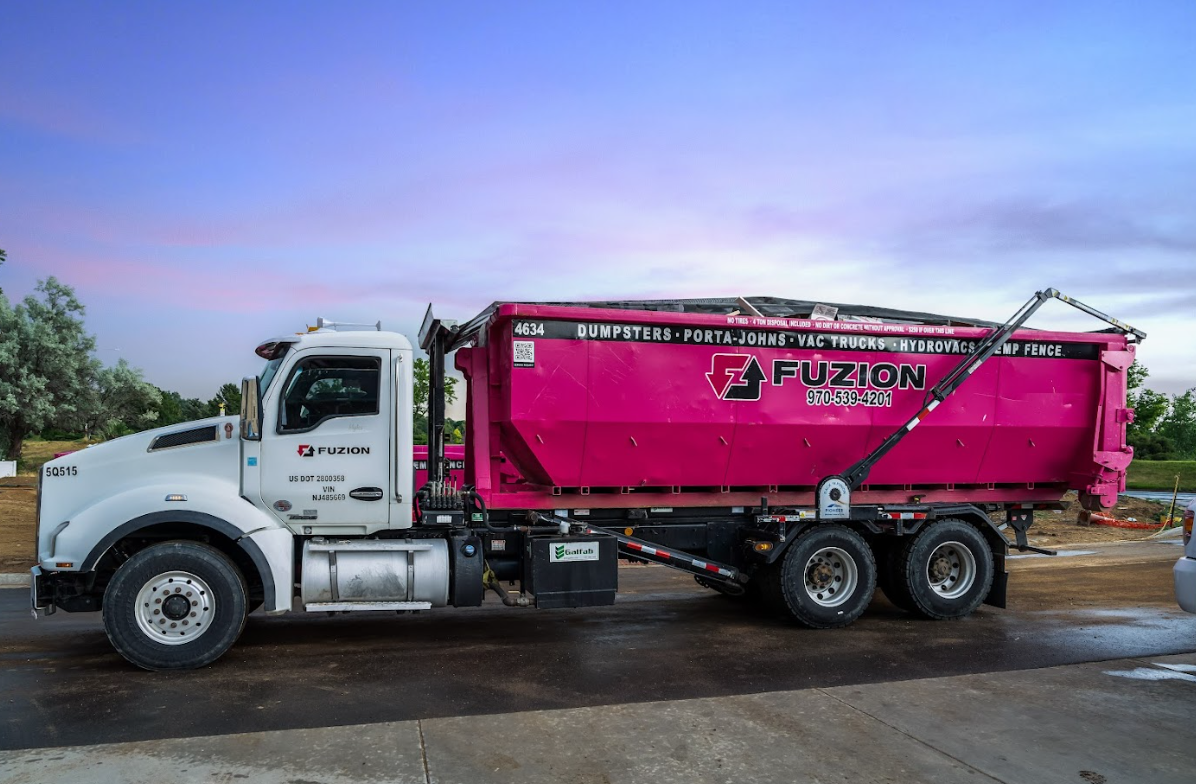
Once scope is clear, decide how debris will leave the site. Renting a roll-off dumpster makes sense when volume is high and you want a container on-site for hours or days; licensed haulers work well for staged pickups. If you discover biohazards, animal issues, or certain chemicals, book a hazardous-waste company first, then resume general cleanup once they clear the area.
Interior and Exterior Tracks (Don’t Skip Curb Work)
Plan two tracks of work. Inside, load bulky furniture and appliances first to balance dumpster weight, then bag general trash by room to prevent mixing hazards with regular debris. Outside, address overgrowth and yard waste and clean pads and porches so the property photographs well for listing.
Waste-Handling Rules You Can’t Ignore
Keeping foreclosure clean outs compliant hinges on planning disposal pathways early. Some materials require special handling, paints, solvents, electronics, and units with refrigerant. Municipalities often require permits for roll-off placement and enforce local disposal rules. Professional crews plan these steps up front so work isn’t halted by a stop-work notice.
Why Professionals Are Often the Better Fit
Foreclosures frequently include heavy appliances, scattered construction debris, and unknowns in attics or crawl spaces. Without the right equipment and authorization to dump at transfer stations, DIY projects stall and costs escalate. Experienced providers coordinate dumpsters, pickups, and routing so foreclosure clean outs stay on schedule, secure, inspect first, handle hazards, and separate salvage, donate, and trash.
Keep Your Foreclosure Clean Out on Track With Fuzion Field Services
Fuzion Field Services supports foreclosure clean outs with fast dumpster delivery and dependable hauling across Denver and Northern Colorado. We follow documented safety protocols and coordinate prompt dispatch to keep debris removal compliant and on schedule. Contact us today for licensed, insured, and professional waste-management support.