
For most construction projects, hydro excavation cost starts with an hourly planning range, with many market estimates falling around $375 to $475 per hour before travel, disposal, winter conditions, or emergency timing change the estimate. That planning range generally refers to truck and crew time, water use, vacuum removal, and basic excavation time. Depth, soil conditions, utility density, access, disposal, travel, weather, and emergency scheduling determine where the final number lands.
Typical Hydro Excavation Cost And What Is Included
A hydro excavation cost estimate should start with truck time. Hydrovac work uses pressurized water to loosen soil and a vacuum system to remove the resulting slurry, so the estimate usually reflects the truck, trained crew, water use, debris handling, and time on site.
The hydrovac cost per hour can rise when the crew needs extra setup time, longer hose runs, traffic control, disposal trips, night work, or frozen-ground support. Colorado projects often need added planning for winter conditions, urban utility congestion, or mountain access. Fuzion’s hydrovac services support construction crews, utility contractors, and site teams across Colorado, including 24/7 hydrovac availability when project timing cannot wait for a normal daytime schedule.
How Hydrovac Pricing Is Calculated
From there, hydrovac pricing adjusts for volume, access, disposal, and utility risk. Hourly pricing covers the truck and crew, while per-hole or per-yard calculations help estimate how long the job may take and how much slurry must be hauled away.
A vacuum excavation cost estimate may also include mobilization, disposal, backfill, permits, traffic control, or after-hours scheduling. The hydrovac excavation cost per cubic yard is not always billed as a flat per-yard number, because soil type, water use, depth, and disposal distance can change production speed. For practical estimating, the cubic-yard calculation helps define volume, truck capacity, dump trips, and total time.
Small, Medium, And Large Hydrovac Job Examples
These examples are modeled planning ranges, not fixed Fuzion rates, and they show where hydro excavation cost moves from hourly math into project budgeting. When the question is “how much does hydrovac cost on this job,” the answer starts with truck hours and then changes with access, depth, disposal, and schedule. A contractor should request a site-specific estimate when utilities, access, disposal, or schedule constraints could change the work.
| Project Size | Typical Use Case | Planning Range | Main Cost Variables |
| Small | One to three utility daylighting holes or test pits | $750–$2,000 | Minimum charge, travel, setup, depth, and utility density |
| Medium | Multiple potholes, short slot trenching, or utility exposure work | $2,000–$6,000 | Truck hours, slurry volume, disposal, access, and traffic control |
| Large | Multi-day trenching, deep utility work, or difficult-access excavation | $6,000–$20,000+ | Crew time, depth, disposal trips, winter conditions, and emergency scheduling |
A small utility daylighting job may price mainly around mobilization and minimum time. A medium slot trenching job usually depends more on trench length, depth, spoil volume, and cleanup. Larger work needs a more detailed field review because hauling, access, safety controls, and weather can shift the estimate quickly.
What Drives Hydrovac Cost Up Or Down
Hydrovac estimates move when field conditions change truck time, production speed, disposal time, or risk in the work zone. The main cost drivers usually include:
- Scope: A shallow daylighting hole requires less time than a deep excavation with multiple utility crossings.
- Depth And Soil Conditions: Clay, rock, frozen ground, or saturated material can slow production and increase water use.
- Utility Density: Crews must work more carefully around gas, fiber, electric, water, and sewer lines.
- Access: Long hose runs, tight alleys, active streets, steep grades, and limited staging can increase setup time. Fuzion’s hydro excavation equipment can support long-reach work, but access still affects how the job is staged and priced.
- Disposal: Hydrovac work creates wet slurry, and that material may need transport to an approved disposal location. Longer disposal trips, regulated material, or multiple dump cycles can increase the final budget.
Colorado Cost Factors For Cold Weather, Denver Utility Density, And Mountain Access
For hydrovac excavation cost Colorado crews can defend in a project budget, frozen ground, fast weather shifts, and jobsite access should be reviewed before the schedule is locked. Winter work can require hot water, slower cutting, added setup, and more time for safe slurry handling. Fuzion’s hydrovac trucks include onboard hot-water systems, up to 12 cubic yards of debris capacity, up to 400 feet of operational reach, and excavation depth capability up to 70 feet.
Hydrovac pricing Denver contractors receive can change when urban work involves dense utilities, traffic control, limited staging, and disposal travel. Mountain or remote Colorado projects may add mobilization time, grade access, distance from disposal sites, weather delays, and emergency response needs. After-hours dispatch, frozen-ground work, storm conditions, or shutdown-sensitive utility exposure can carry higher costs because the provider is allocating equipment and crew outside normal planning windows.
When Hydrovac Is Worth The Cost
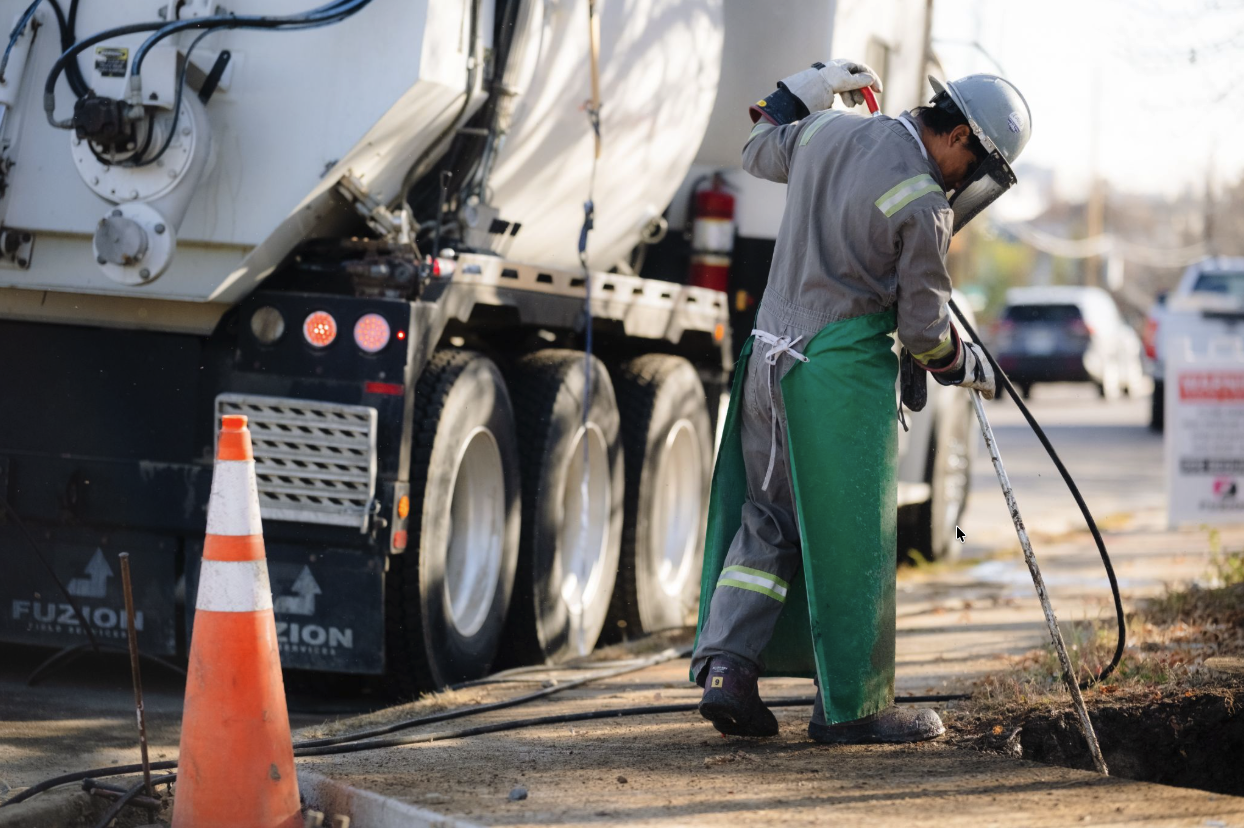
Hydrovac starts to justify the higher hourly rate when mechanical digging creates more risk than the lower rate saves. Traditional excavation may look cheaper on open ground, but the math changes near buried utilities, active facilities, finished surfaces, narrow work zones, or traffic-sensitive areas.
A precise hydrovac excavation approach can reduce the chance of utility strikes, over-excavation, restoration work, and downtime. That makes the method especially useful for daylighting, trenching near known lines, potholing before directional drilling, and exposing utilities before mechanical excavation begins.
Hydrovac Budgeting Checklist
Before requesting a hydro excavation cost estimate, gather the field details that affect production time and disposal needs:
- Number of holes, trench length, or exposed utility points
- Estimated depth, width, and soil type
- Known utilities in the work area
- Site access, staging space, and traffic-control needs
- Required work hours, emergency timing, or shutdown windows
- Disposal expectations and potential contamination concerns
- Winter conditions, frozen ground, or snow access
- Backfill, restoration, and cleanup requirements
A clear scope helps the estimator separate truck time from access, disposal, weather, and emergency variables. It also helps the field crew plan the right hydrovac setup before the truck reaches the site.
Schedule Fuzion Hydrovac Services For Clearer Project Budgeting
We support Colorado construction, utility, and site-service work with hydrovac crews prepared for access constraints, utility exposure, disposal planning, and winter conditions. Our team helps clarify site conditions and schedule demands before work begins. Contact us today for more information.
Frequently Asked Questions
How Much Does Hydrovac Cost Per Hour?
Many general market estimates place hydrovac service around $375 to $475 per hour, but actual pricing depends on location, access, depth, disposal, soil, schedule, and emergency needs. A site-specific quote is needed for final budgeting.
What Does A Hydrovac Job Actually Cost?
Small daylighting or potholing jobs may fall around $750 to $2,000, while medium projects can reach $2,000 to $6,000. Larger or multi-day jobs can exceed $20,000 when depth, disposal, access, weather, or emergency timing adds time.
Is Hydrovac Priced Per Hour Or Per Cubic Yard?
Hydrovac is commonly priced by truck and crew time, while per-hole or per-yard calculations help estimate volume and disposal needs. The billing model varies by provider and project scope.
Why Does Hydrovac Cost More In Winter Or During Emergencies?
Winter and emergency work often require hot water, urgent dispatch, after-hours crews, slower excavation, and more careful slurry handling. Frozen ground, weather delays, and shutdown-sensitive utility work can increase the budget.
When Is Hydrovac Worth The Cost?
Hydrovac is often worth the cost when utility strikes, site restoration, traffic disruption, or downtime would create greater expense than the excavation rate. It is especially useful for daylighting, slot trenching, and work near active utilities.