
Drain problems show up fast. The question is hydro jetting better than snaking comes up when a stubborn clog shuts down a drain. Understanding what each method does inside the pipe helps homeowners see whether they are dealing with a one-time blockage near a fixture or deeper buildup that keeps sending wastewater back into the house.
How Snaking Works in Home Drain Lines
Most people see snaking offered first because it is quick to set up and works with the cleanouts and fixtures most homes already have. It is often the first tool a plumber reaches for when a toilet backs up, a shower stops draining, or a kitchen sink fills and refuses to empty.
What Snaking Does Inside a Pipe
With snaking, a plumber feeds a flexible metal cable into the line and rotates it until the tip pushes through or hooks the blockage. As soon as the head meets resistance, the technician works the cable until water drops and the line begins to drain again. Snaking clears a channel through the clog, but it still leaves behind the film of grease, soap, or scale on the pipe walls. That leftover material can catch new debris even though the water is moving again.
When Snaking Fits the Problem
Snaking works best when the clog appears suddenly under normal use. A toilet overloaded with paper, a shower full of hair just below the drain, or a small object lodged near a trap often clears with one cable pass. A drain that suddenly stops after months of normal use usually responds well to a quick snaking. In older or fragile pipes, snaking may also be the safer first step because it places less stress on weakened pipe walls than high-pressure water.
How Hydro Jetting Restores the Pipe Interior
Hydro jetting uses water pressure instead of a rotating cable, and that difference changes how the line behaves after the work is done. Snaking can get water moving again, but leftover buildup on the pipe walls often changes what comes next. At that point, many technicians turn to hydro jetting because it reaches material a cable cannot touch.
How the Jetting Nozzle Cleans the Line
During hydro jetting, a hose with a small nozzle is fed into the pipe through a cleanout. The nozzle has jets facing backward and sometimes forward. The rear jets pull the hose through the line while washing loosened debris toward the cleanout, and the forward jets help break through compacted grease or small roots. This approach reaches grease, soap residue, and scale that have been narrowing the pipe for years instead of just opening a hole through the latest clog.
Why Hydro Jetting Leaves the Line Cleaner
Jetting scours buildup from the interior surface of the pipe so the line can use more of its original diameter again. Most homeowners notice the change quickly: drains run quieter, water clears faster, and backups become less frequent. In busy kitchens or homes with long horizontal runs, removing that film of grease and residue often reduces how quickly clogs return.
When Homeowners Ask: Is Hydro Jetting Better Than Snaking?
The answer makes the most sense when it is tied to what the pipe and the clog are actually doing. A single, first-time blockage behaves very differently from a drain that seems to slow or back up every few months under the same use.
Clues That Point Toward Snaking
Snaking is usually the right call when a drain has been working well and suddenly stops after a heavy-use day. A toilet that overflows once after a lot of paper, or a tub that stops draining after visible hair collects at the strainer, often needs only a short cable run. In those situations, the clog is close to the fixture, the pipe behind it is generally clear, and the goal is simply to punch through the obstruction so the drain can catch up.
Clues That Point Toward Hydro Jetting
Most homeowners notice early signs before a full blockage forms. Slow drainage, gurgling in nearby fixtures, or periodic backups suggest material is collecting along the pipe walls rather than at a single point. When those symptoms repeat, many homeowners start asking whether is hydro jetting better than snaking? The pattern usually points to deeper buildup inside the line. The pipe gives those clues, and camera footage often confirms when a quick cable pass is not reaching the material causing repeat clogs.
Matching the Method to Pipe Condition and Line History
Pipe age and material matter just as much as the type of clog. Two homes can have the same symptoms and still require different approaches because the pipes behind the walls are built from different materials and carry different levels of wear.
How Pipe Material Affects the Choice
Newer PVC or ABS pipes are typically smooth inside, so grease and debris have a harder time grabbing onto the walls. These lines often respond well to both snaking and jetting, as long as pressure is matched to the pipe size.
Cast-iron and clay pipes tell a different story: corrosion and rough spots trap grease and solids, and years of buildup can leave only a narrow opening for water. In many cases, those older lines can still be jetted safely when the technician reduces pressure and selects the right nozzle, but severely corroded or structurally weakened sections require caution because high pressure can worsen existing damage.
What Repeat Clogs Reveal About the Line
When a drain slows every few weeks or backs up soon after service, it behaves differently from a drain that only clogs once. That pattern often signals buildup the cable never reached. Hydro jetting clears the material collecting along the walls instead of cutting a small opening through the center of the blockage. In homes with a long history of slow drains or where several fixtures share a problem line, that deeper cleaning often answers the practical question is hydro jetting better than snaking for the way the system is being used.
Cost, Access, and How Long Each Method Lasts
Once you understand how each method behaves inside the pipe, cost and access become the next part of the decision. Homeowners usually want to know not just what it takes to clear today’s clog but how long that result is likely to last.
Cost Differences and Long-Term Behavior
Snaking usually costs less because the equipment is simple and the visit is shorter. It makes sense when the clog is a one-time event and the pipe behind it is in good condition.
- Hydro jetting costs more upfront because it involves inspection, setup, and specialized equipment, but it also removes more of the buildup that leads to repeat service calls.
- For lines that clog again and again under normal use, such as a kitchen drain that backs up every few months from grease or a long bathroom run that keeps slowing down, deeper cleaning can reduce how often service is needed.
That is often where homeowners decide that, for their situation, is hydro jetting better than snaking has a clear answer.
Why Access to the Line Matters
Hydro jetting generally requires a properly placed cleanout because many fixtures cannot safely accommodate high-pressure nozzles. When no cleanout exists, a plumber might snake the line first to restore flow and then recommend adding a cleanout outside or in a mechanical area. Once that access point is in place, future jetting becomes faster, more effective, and less disruptive to the home.
Using Evidence Instead of Guesswork
Most homeowners want clearer answers about what is happening inside their drains. Camera footage and notes from past service visits create a record of how:
- each pipe is aging
- where buildup is forming
- whether deeper cleaning will solve the problem or simply delay a needed repair
Evidence like this anchors the choice between snaking and jetting in what the line is actually doing instead of relying on trial and error.
Many homeowners compare hydro jetting vs snaking when they need a clearer understanding of how those methods handle recurring clogs in the same line. That comparison focuses less on which tool is stronger and more on which one matches the condition of the pipe and the way the home is used.
Schedule Fuzion Hydro-Jetting Services for Efficient Line Clearing
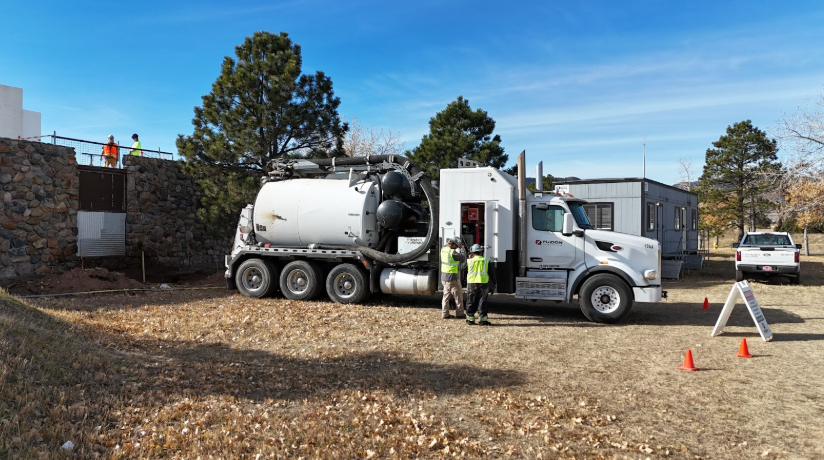
Fuzion deploys trained field teams to assess drains, review pipe conditions, and choose the method that fits each clog. Our technicians explain when simple snaking is appropriate and when hydro jetting provides the deeper cleaning needed for grease, buildup, or recurring backups. Contact us today for more information.