
Industrial tanks hold water, chemicals, fuel, and waste streams that keep plants and commercial sites operating. Industrial water tank cleaning restores internal tank conditions so storage and process systems run safely and predictably. When residue builds up, facilities face contamination risk, equipment strain, and compliance exposure long before a tank visibly fails.
Why Industrial Water Tank Cleaning Is a Core Maintenance Function
Tanks accumulate material in different ways depending on what they store and how often they turn over.
- Water tanks collect sediment, mineral scale, and biological growth, particularly in low-circulation zones.
- Fuel tanks develop sludge and water contamination at the bottom of the tank that can migrate into downstream equipment.
- Chemical tanks retain residues that may interact with subsequent contents or degrade linings.
- Waste and sludge tanks collect solids by design, which makes controlled removal and capacity management central to routine service.
Each accumulation pattern creates a different exposure profile once deposits are disturbed. That variability is why industrial water tank cleaning is planned around tank contents, operating conditions, and downstream risk rather than treated as a generic washout task.
Operational Drivers Behind Tank Cleaning Programs
Industrial tank cleaning decisions start with risk, not residue.
Safety, Performance, and Compliance Drivers
Routine cleaning is driven by safety, operational performance, and documentation requirements tied to internal tank conditions. Many tanks qualify as confined spaces with limited access and variable atmospheres, and residues can release vapors when disturbed. Cleaning reduces these hazards by removing loose material and stabilizing conditions before maintenance or inspection occurs.
Performance improves as:
- flow restrictions ease
- instrumentation regains accuracy
- pumps run closer to design conditions
Documentation completes the cycle by recording maintenance activity, waste handling, and inspection findings that support audits and EHS oversight.
How Industrial Tank Cleaning Is Planned and Executed
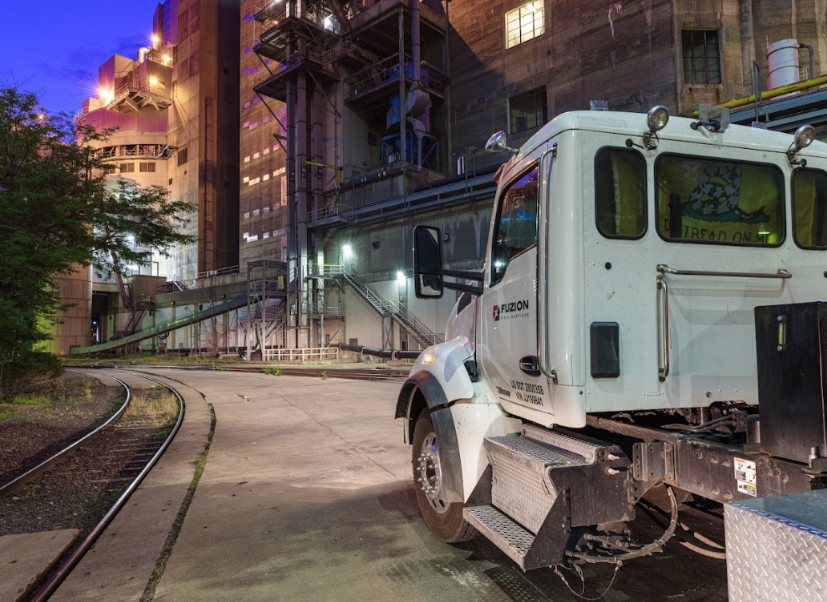
Industrial tank cleaning runs smoothly when scope, access, and waste pathways are defined before the first hose is staged.
Planning and Isolation Before Cleaning Begins
Tank cleaning begins with job planning that matches the tank’s contents, hazards, and access constraints.
- A pre-cleaning assessment identifies stored materials, residue behavior, and expected risks once deposits are broken up.
- That assessment also determines whether residues can be removed mechanically, may require conditioning or neutralization, or need staged extraction to avoid downstream disruption.
- Isolation points are confirmed to prevent backflow, and confined-space requirements are established early because they dictate ventilation, monitoring, and personnel limits throughout the job.
These controls set the execution boundaries that keep cleaning work controlled and repeatable.
Bulk Material Removal and Surface Cleaning
With those constraints defined, bulk material removal clears free liquids and settled solids using vacuum systems, pumping equipment, or mechanical extraction. In tanks with compacted buildup, high-pressure water jetting mobilizes deposits so they can be collected efficiently, reducing internal loading before surface cleaning begins.
Surface cleaning then removes films and residues from walls, floors, and internal components. Water tanks require removal of scale and biofilm that reduce capacity and affect quality. Chemical tanks may require compatibility-driven rinses or neutralization. Fuel tanks demand thorough sludge removal to prevent recontamination. Effectiveness depends on maintaining the execution controls established during planning.
Industrial Tank Cleaning Methods and Equipment
Method selection depends on residue type, tank size, and access conditions.
- Vacuum trucks remove free liquids and mobilized solids during initial extraction.
- High-pressure water jetting breaks up compacted or adhered deposits while limiting manual scraping inside confined spaces.
- For larger tanks, rotating nozzles or remote cleaning tools reach interior surfaces through existing manways, cutting entry time and exposure.
- Agitation tools may be used when heavy sludge layers need to be loosened before extraction.
Confined-Space Controls During Execution
Safety controls remain active throughout cleaning because residue disturbance changes internal conditions as work progresses. Confined-space protocols govern ventilation, continuous gas monitoring, communication, and rescue readiness, directly affecting entry duration and equipment staging.
In professional industrial water tank cleaning services, safety execution is integrated into the cleaning sequence itself. Entry duration, cleaning method, and removal rate adjust as conditions change rather than forcing work to follow a fixed timeline.
Waste Handling, Scheduling, and Operational Continuity
These operational factors determine whether tank cleaning stays a planned maintenance task or turns into an unplanned disruption.
Waste Handling and Wastewater Coordination
Waste handling follows directly from what is removed during cleaning. Material must be collected, classified, transported, and managed according to its composition. Liquids, solids, and hazardous residues follow different handling paths, and compliance depends on clear documentation of where material goes and how it is treated or disposed of.
Because tank cleanouts can generate concentrated waste streams, coordination with industrial wastewater treatment systems is necessary to prevent downstream disruption and treatment upsets and compliance exposure tied to discharge quality.
Scheduling and Early Warning Indicators
Cleaning schedules are based on operating conditions rather than calendar intervals alone.
- High-turnover systems may remain stable longer, while stagnant or batch tanks foul more quickly.
- Waste tanks are commonly cleaned based on capacity thresholds or treatment performance indicators.
Early indicators usually appear in system behavior before visible problems develop.
- Flow rates drop as outlets are restricted.
- Pressure fluctuates as pumps compensate for resistance.
- Sensors drift as probes become coated.
- Odors signal biological growth or chemical interaction.
Addressing these indicators early through industrial water tank cleaning services reduces emergency shutdown risk and protects connected equipment.
Downtime Control and Service Provider Selection
Downtime control depends on how well planning, waste handling, and execution are aligned. Professional crews coordinate access, isolation, and equipment staging to keep tanks offline for the shortest practical window. Most delays stem from incomplete preparation or disposal bottlenecks rather than cleaning itself.
These same constraints guide provider selection. Facilities should evaluate safety execution, waste management capability, and documentation practices. A qualified industrial tank cleaner should clearly explain monitoring, ventilation, and waste handling procedures. When chemical exposure is involved, chemical tank cleaning services must address compatibility and controlled neutralization during removal and transport.
Why Professional Tank Cleaning Matters Long Term
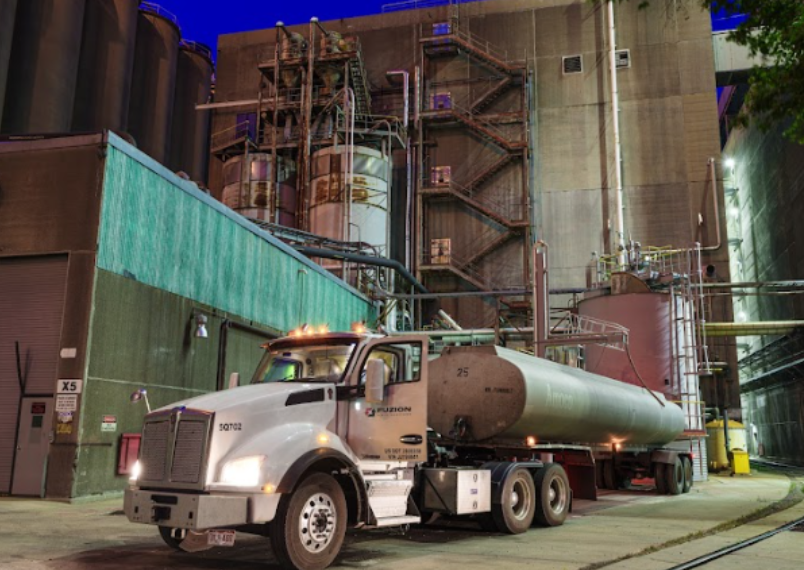
Long-term system reliability depends on how consistently tank risks are identified, managed, and documented over time.
Why Outsourcing Industrial Tank Cleaning Reduces Operational Risk
Industrial tank cleaning introduces safety and compliance demands that exceed typical in-house maintenance capabilities. Confined-space entry requires trained personnel, continuous monitoring, rescue readiness, and documentation that are difficult to maintain internally for infrequent work.
Residue handling adds further complexity. Chemical exposure, sludge classification, and waste transport requirements shift risk onto facility staff when cleaning is self-performed, increasing liability and pulling maintenance teams away from core operations.
Lifecycle Value of Routine Tank Cleaning
Over time, routine industrial water tank cleaning supports predictable system behavior and longer asset life. Clean interiors reduce corrosion risk, stabilize instrumentation, and improve inspection conditions. These outcomes allow facilities to detect lining failure, mechanical wear, or structural issues before leaks and unplanned outages occur.
Depend on Fuzion for Documented Compliance and Efficient Operations
Fuzion deploys trained crews to collect, manage, and transport tank residues under controlled conditions. Each service sequence is coordinated around safety protocols, waste classification, and documented handling requirements. Contact us today to align tank cleaning schedules with your facility’s operational and regulatory needs.