
Projects usually create clutter long before they create finished spaces. Most people discover the need for storage container rental when a remodel, move, or cleanup pushes their existing rooms and garage past capacity. Knowing how container size, placement, and rental terms work keeps it from becoming a last-minute catchall.
How Storage Containers Work For Homes And Job Sites
On most projects, container rentals follow the same basic path: a provider drops a ground-level unit at your property or job site, leaves it in place for the project, and picks it up once you have emptied it.
Home And Business Storage Uses
A well-planned storage container rental keeps belongings, tools, or inventory close to where work is happening. Homeowners use onsite units during renovations or staging so crews have room to move and finishes stay protected. Businesses and property managers lean on containers for overflow stock, seasonal fixtures, and maintenance gear when back-of-house space is already full. In both cases, the container acts like a temporary room that sits where it is most useful instead of across town at a storage facility.
Job Site And Restoration Storage Uses
Job sites treat containers as secure hubs for tools, equipment, safety gear, and paperwork. Crews know where to find shared items at the start of each shift, and supervisors have a single point they can lock down at the end of the day.
Restoration companies use similar units to keep equipment and properly contained waste organized on tight properties where indoor space is limited. When a container is included in the project plan from the start, it functions as another working asset instead of an obstacle squeezed in at the last minute.
Choosing Between Portable Moving Containers And Onsite Storage Containers
Portable moving containers and onsite shipping-style containers look similar at a glance, but they fill different roles. Portable systems are designed to be loaded, hauled to a facility or new address, and then unloaded as part of a move, while onsite containers usually stay in one place until the work or storage need ends.
If the goal is long-term onsite storage container rental on your property, an onsite unit often makes more sense than a portable container that has to move on a fixed schedule. If the goal is to relocate contents across town or farther, portable moving systems often fit better than an onsite container that stays in one place because they combine storage and transportation in the same service.
Sizing And Layout: Matching Container Dimensions To Your Project
Most onsite containers fall into common lengths of 10, 20, or 40 feet, with typical widths around 8 feet and heights close to 8½ feet. Shorter 10-foot units occupy about 80 square feet of ground area, 20-foot units take roughly 160 square feet, and 40-foot units occupy about 320 square feet.
Interior capacity only tells part of the story, because a container also needs enough clear space around it for delivery, door swing, and day-to-day access. On a short driveway or in a parking lot, planning placement with everyday vehicle movement in mind keeps the site workable throughout the project.
Checking Container Condition, Durability, And Security
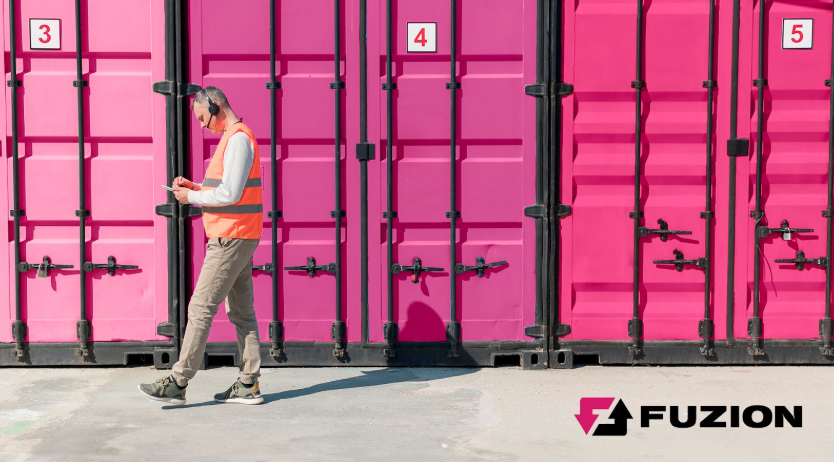
Container condition should be checked as soon as the unit arrives. The walls and roof should be free of major holes, severe rust, or structural damage, and the floor should feel solid underfoot without soft spots that could fail under loaded pallets or stacked boxes. Doors should open and close without extreme force, seals should limit drafts and moisture entry, and a reinforced lockbox paired with a good padlock should help protect against casual tampering on open job sites or visible residential streets.
Delivery, Placement, And Site Requirements
Delivery trucks need a clear, stable path from the street to the placement point that is wide, tall, and firm enough to support both truck and container. Overhead wires, low branches, tight corners, soft ground, and steep slopes can all limit where a driver can safely set the unit. Walking the route ahead of time helps catch those issues before the truck arrives.
As a planning baseline, think in terms of roughly two car-lengths of clear space directly in front of the final placement spot so the truck can back in and unload without sharp turns, and check local rules if the container needs to sit in the street or a shared lot.
Rental Terms, Pricing, And Extra Fees
Rental agreements do more than set a monthly number; they define how long the container can stay, what each trip costs, and who pays if something gets damaged.
Monthly Rates And Minimum Rental Periods
Most providers bill by the month, often with a minimum rental period. In many markets as of 2025, monthly rates for common ground-level containers typically fall somewhere between about $100 and $250 per unit, with smaller 10-foot boxes at the lower end and larger 40-foot units toward the top of that range. A short interior remodel might technically finish in a couple of weeks, but many owners still choose full-month terms so the container remains available for punch-list work and delayed deliveries.
Delivery, Pickup, And Responsibility For Damage
Delivery and pickup fees are another part of the agreement, whether they are bundled into the base rate or billed as separate trips. Damage and cleaning provisions usually assign responsibility for floor damage, significant dents, or debris left inside, especially on containers used for demolition or restoration work. Clear written storage container rental terms make it easier to match the agreement to the project schedule and reduce the chances of disputes once the container is already on site.
Optional Add-Ons And Custom Features
Some providers offer basic modifications that make a container easier to use, such as shelving, simple lighting, vents, or additional door options. These features help turn a plain box into a more functional space for tool storage, small work areas, or organized inventory. Availability and pricing vary, so it helps to confirm which custom features are offered, whether they require longer minimum terms, and how they appear on the rental agreement.
Industry Uses: Job Sites And Restoration Projects
Containers play different roles on active job sites and restoration projects, but both rely on secure onsite storage close to where the work is happening.
Job Site Storage And Coordination
On construction sites, containers serve as central storage for tools, fasteners, safety gear, and sensitive materials so crews know where to find items at the start of each shift and supervisors have a single point to secure equipment at the end of the day. Placement strategy matters: containers should sit close enough to the work area for easy access while leaving room for trucks, lifts, and deliveries. Many contractors consider a lockable container part of standard job site storage container rental planning for busy projects where theft risk and weather exposure are constant concerns.
Conex Containers For Restoration And Asbestos Work
Restoration and abatement companies often prefer steel conex-style containers for demanding projects. Fuzion Field Services supports these projects by supplying 20- and 40-foot conex storage containers as temporary onsite storage.
Why Conex Containers Fit Restoration Projects
For many firms, a conex storage container rental supplies rigid walls, lockable doors, and enough space to stage both equipment and properly contained waste so regulated materials stay away from everyday site activity. The container becomes a defined, secure area on tight residential or commercial sites where interior space is already committed to active work.
Using Conex Storage For Asbestos And Other Regulated Materials
For asbestos and similar abatement work, conex units support organization rather than replacing formal procedures. Restoration contractors still have to follow all OSHA and EPA requirements for how asbestos-containing materials are removed, placed in leak-tight bags or containers, labeled, and kept secure until disposal.
Properly bagged or drum-packed waste can then be held in a defined, locked area inside the container while it waits for pickup by approved haulers, and negative air machines, HEPA vacuums, and personal protective equipment can be stored in a controlled environment close to the work zone.
Avoiding Common Container Rental Mistakes
A few predictable planning errors cause most container headaches on real projects.
Choosing The Wrong Size
Many rental problems start with underestimating space. Containers that are too small force belongings or materials to spill into garages, basements, or open areas, while oversized units eat up driveway or parking space and can cause access issues. A quick room-by-room inventory, including boxed contents, usually gives a better starting point than guessing by eye.
Overlooking Access And Placement
Access oversights are another frequent issue. If the truck cannot reach the placement point or the container blocks doors, gates, or loading areas, work slows down. Walking the site before scheduling delivery and checking turning room, slopes, and obstacles gives drivers a clear plan and reduces the chances of having to move the container mid-project.
Misjudging Schedule And Rental Terms
Rental duration and terms often cause problems when projects that ‘should only take a few weeks’ quietly stretch into additional months. If flooring or cabinet deliveries slip a few weeks, the container may need to stay longer, so agreements that allow predictable extensions usually align better with real construction timelines. From day one, treating storage container rental as part of project planning rather than a last-minute reaction keeps storage supporting the work instead of fighting it.
Optimize Site Performance With Fuzion’s Environmental Services
Fuzion Field Services deploys onsite storage containers, including conex units for restoration work, along with related site support equipment to help projects maintain clean, organized, and compliant work areas. Our teams coordinate deliveries, placements, and pickups so that temporary storage works with existing access routes and project schedules. Contact us today for more information.