
A cheap dumpster quote can turn expensive fast. The final bill can change when weight, rental days, delivery terms, street placement, or pickup access are unclear. This breakdown explains what actually changes dumpster rental cost, how to compare quotes fairly, and where residential pricing starts to shift into commercial jobsite planning.
What Actually Changes Dumpster Rental Cost?
The first number on a dumpster quote only shows the starting point. A fair quote should name the container size, rental window, included weight, allowed debris, placement terms, and added-charge triggers.
Where Hidden Fees Usually Start
The most common dumpster rental hidden fees show up when the load runs past the included weight, the rental window stretches, delivery falls outside the standard route, the truck needs a return trip, restricted materials get mixed in, or street placement requires local approval.
Those variables explain why two providers can answer how much to rent a dumpster with very different numbers without either quote being fake or wrong. The more complete answer is that dumpster rental cost is shaped by disposal weight, truck time, landfill or transfer-station costs, rental demand, service area, and how much uncertainty the provider accounts for before pickup and disposal.
Why Homeowner Projects Price Differently
For homeowners comparing residential dumpster rentals, the first decision is whether the quote spells out the job clearly enough before the container arrives. A basement cleanout, roofing tear-off, and bathroom demolition may all need a roll-off container, but they do not create the same pricing risk.
The Main Dumpster Rental Pricing Factors
A provider usually builds the number from container capacity, time on site, load weight, material type, route distance, placement conditions, and disposal requirements.
- Dumpster size sets the base price. Larger containers usually cost more because they take up more inventory and truck capacity before disposal even begins. A basement cleanout may need space for bulky furniture and boxes, while a tile-heavy bathroom tear-out may need more weight planning. Choosing the right dumpster size keeps you from paying for unused capacity or ordering too small and needing a second haul.
- Rental duration affects the quote. Many rentals include a set number of days. Extra days can add cost, especially when the provider needs that container for another customer. A weekend garage cleanout is easier to price than a remodel that keeps stretching because the crew is waiting on materials.
- Weight allowance can change the final bill. Most dumpster quotes include a weight limit, and overage charges apply when the loaded container exceeds that allowance. A roofing tear-off can hit the limit quickly because shingles, underlayment, and wet material get heavy fast. Clear dumpster rental weight limits help explain why a container can stay below the fill line and still cost more if the load is too heavy.
- Debris type and contamination matter. Household junk, clean wood, roofing, drywall, tile, concrete, dirt, and mixed construction debris can require different disposal handling. Contamination means the load includes material that is not allowed in that dumpster type or must be handled separately. For example, a clean remodel load can become more expensive if restricted items, wet debris, or heavy material are mixed into a container priced for lighter household junk.
- Delivery distance and location affect truck time. Someone comparing dumpster rental cost Colorado providers may see different quotes because service areas, disposal access, and delivery routes vary across the state. A dumpster rental cost Denver quote can also change based on access, traffic, pickup timing, and how close the job is to the provider’s regular routes. Fuzion’s Colorado service areas include Denver Metro and surrounding communities, so location should be part of the quote conversation instead of an afterthought.
- Street placement can add permit questions. A dumpster placed fully on a private driveway is usually simpler than one placed in a street or public right-of-way. Street placement may require local approval, and tight access can also create blocked-delivery or blocked-pickup issues. Good driveway placement planning also helps reduce surface risk before the container is loaded.
- Demand and seasonality can move availability. Spring cleanouts, roofing season, storm cleanup, and active construction periods can tighten container availability. A homeowner booking during a busy cleanup period or a contractor scheduling during peak roofing work may have fewer container options than someone renting during a slower week.
Flat-Rate Vs. Variable Pricing: Which Is Actually Cheaper?
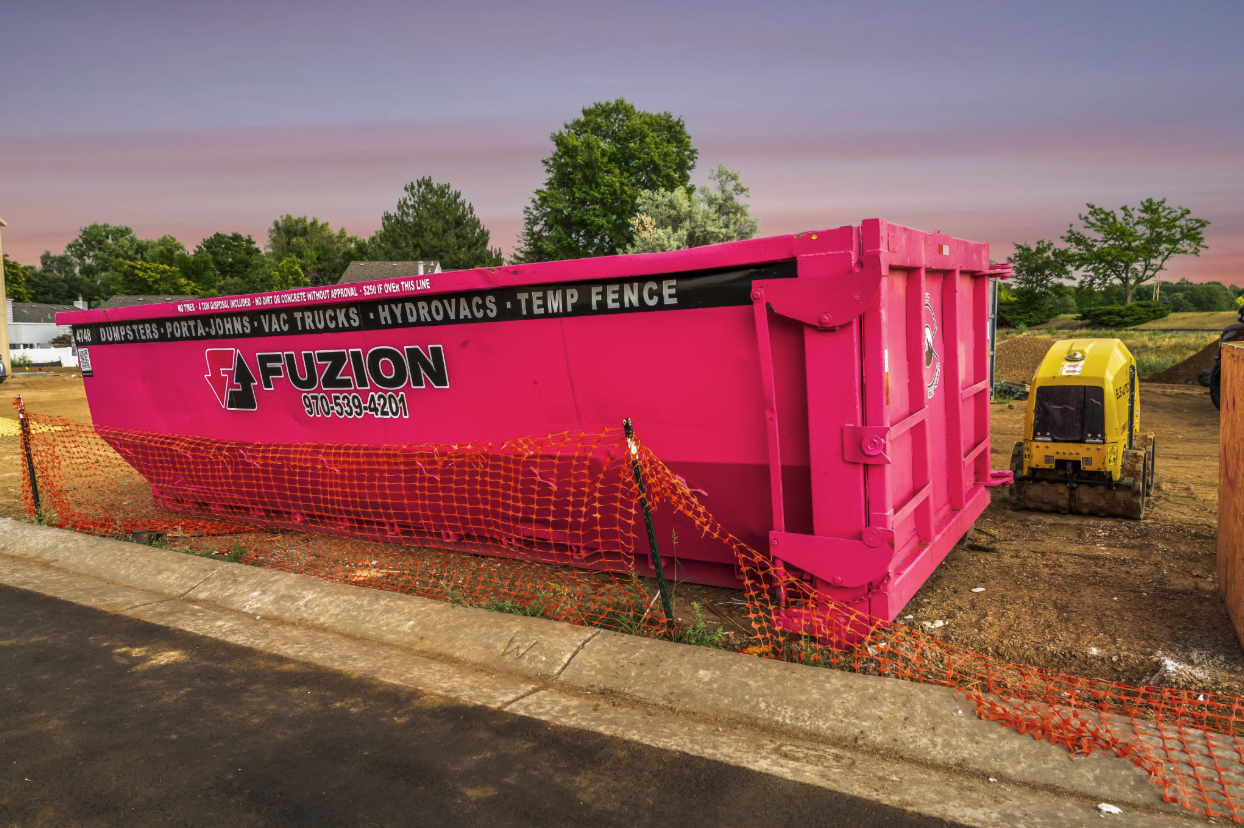
Flat-rate pricing gives you a cleaner number up front. It usually bundles the rental period, delivery, pickup, and a set weight allowance into one quote, which makes budgeting easier for homeowners who want fewer moving parts.
Variable pricing can cost less when the load is light, the timeline is short, and the placement is simple. The risk shows up when the job is heavy or uncertain because each added variable can change the final invoice, including dumpster rental overage charges, extra rental days, delivery-zone charges, or disposal fees. Flat rate buys predictability, and variable pricing can still be fair. The real question is what the quote includes, what it excludes, and how clearly the provider explains what happens when the job changes.
Is The Cheapest Quote Always The Best Deal?
The cheapest quote can be the right choice for a light, predictable cleanout with easy driveway access and a short rental window. It becomes riskier when the load is heavy, the schedule may change, or the quote does not explain what happens after the included weight or included days run out.
That is when a premium provider may be worth the higher starting quote: heavy debris, tight timing, limited access, or commercial coordination can make unclear fees more expensive later.
How To Compare The Real Quote
A better quote names the dumpster size, rental period, included weight, overage rate, accepted debris, delivery zone, placement limits, and extension-day cost. That lets you compare roll off dumpster cost across providers without guessing. If one quote includes more weight and another charges less up front but has a lower allowance, the cheaper starting number may not stay cheaper.
For a basement cleanout, the lowest price may be fine if most of the debris is furniture, boxes, and household junk. For a roofing tear-off or tile demolition, quote clarity matters more because heavy debris can drive the final bill.
For Contractors, Dumpster Pricing Becomes A Vendor-Fit Question
Commercial dumpster quotes often need to account for repeat service, active jobsites, changing schedules, swap-outs, and multiple containers. A GC or project manager needs to know how account terms, delivery windows, swap-out fees, and billing structure affect jobsite continuity.
A multi-month commercial site may need scheduled swap-outs, trade-aware pickups, and invoices that separate locations or phases. In that setting, dumpster rental cost is tied to jobsite continuity as much as container size.
Fuzion’s commercial dumpster rentals include up-front pricing for Colorado commercial customers, which gives contractors a clearer starting point before they plan repeat hauls or ongoing service. For commercial work, the best quote should cover the container, service timing, and billing terms.
That same standard helps homeowners and contractors compare every quote on equal terms.
How To Get An Apples-To-Apples Quote
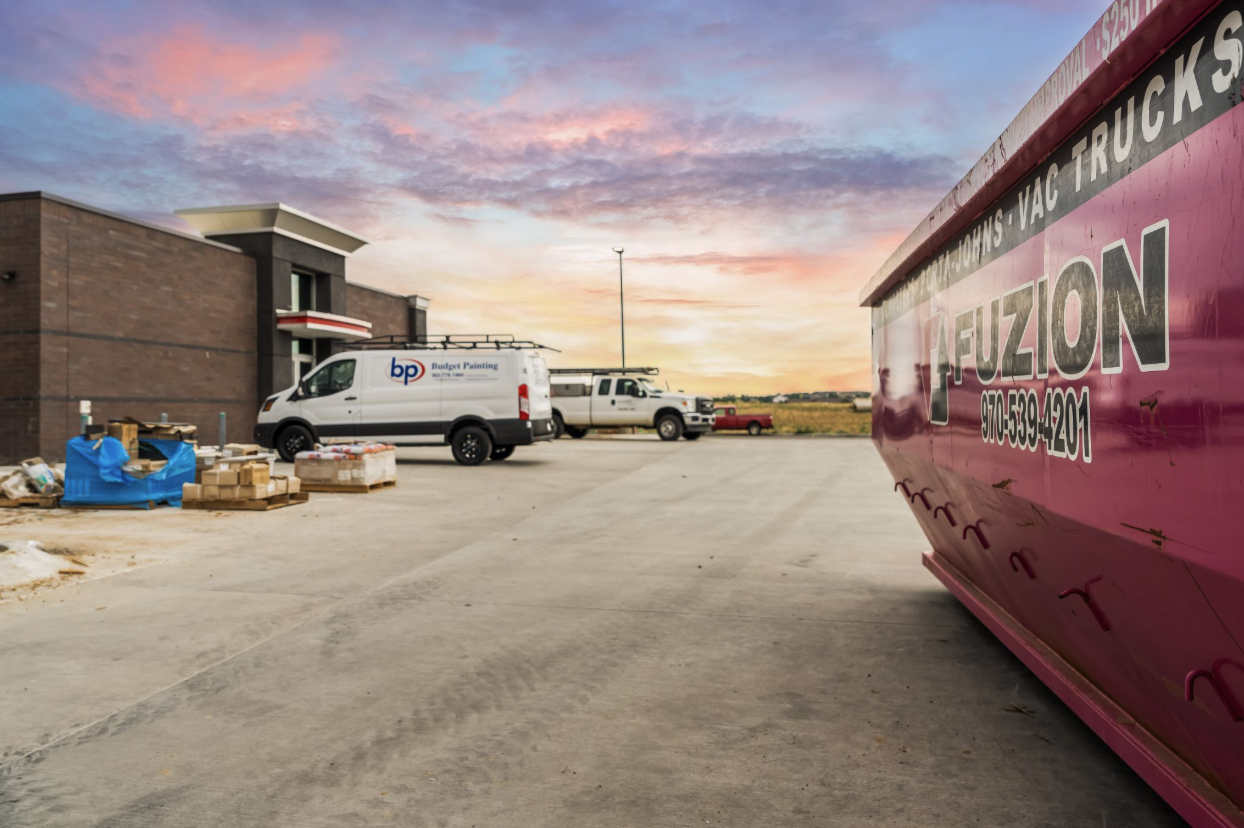
The clearest comparison starts with the same questions for every provider. Use this checklist before choosing a dumpster rental company.
- What dumpster size is included in the quote?
- How many rental days are included before extension charges apply?
- What weight allowance is included, and how is extra weight billed?
- What debris types are allowed, restricted, or priced differently?
- Are delivery-zone, fuel, trip, or blocked-pickup charges separate?
- What happens if the container needs a swap-out or second haul?
- Are street-placement permits, prohibited materials, or contamination charges my responsibility?
These questions show what affects dumpster rental price before the container is already sitting in the driveway or on the jobsite.
Schedule A Clear Dumpster Quote With Fuzion
Fuzion helps homeowners and contractors plan dumpster rentals with clear quote details, practical size guidance, and Colorado service-area support. The team can help match the container to the debris type, placement needs, and pickup schedule before the rental starts. Contact Fuzion today for more information.